| If you like Schmoozy music
then tune into Martini in The Morning by clicking
below. They even mention me! |

 |
If you have no
images click through to the website: www.wessextouristboard.org.uk
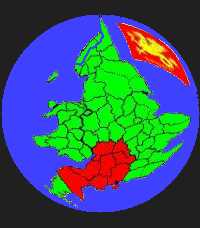  KENT TOURIST GUIDE |
|
|
|
|
For Mercia click onto www.merciatouristboard.org.uk |
|
| Welcome to Wessex . Press Control+B to Bookmark this site for later reference. | |
|
Places of Interest & Events in & around Kent and in Greater Wessex. |
|
 |
If you are not included or an entry is wrong call 0207 183 4978

|
|||||||||||||||||||||||||||||||||||||||||||||||||||||||||||||||||||||||||||||||||||||||||||||||||||||||||||||||||||||||||||||||||||||||||||||||||||||||||||||||||||||||||||||||||||||||||||||||||||||||||||||||||||||||||||||||||||||||||||||
ANGLO
SAXON KENT The
Kings
Of Kent
THE ROYALTY OF KENT
Dear
Sir
On
your
web site entitled "Kent Wessex Tourist Guide" you
have copied a page from The History Files. Links of the format:
http://www.kessler-web.co.uk/History/
should now read : http://www.historyfiles.co.uk/
I hope you will also consider reviewing
and updating your data in the list to match the
latest version on The History Files.
Best wishes
Peter Kessler - The History Files
|
|||||||||||||||||||||||||||||||||||||||||||||||||||||||||||||||||||||||||||||||||||||||||||||||||||||||||||||||||||||||||||||||||||||||||||||||||||||||||||||||||||||||||||||||||||||||||||||||||||||||||||||||||||||||||||||||||||||||||||||
 |
Tourist Office Details |
||
| Ashford
Tourist
Information
Centre |
18 The Churchyard, Ashford, Kent TN23 1QG
- England, UK Ashford Tourist
Information Centre is situated in Ashford, Kent, close to
Tenterden and Folkestone. Ashford is one of the main
terminals for the Channel Tunnel rail link running from
Waterloo in London to Paris in France. Call in and we can
give you more information or assist you with finding a
place to stay. There is a great selection of hotels, bed
& breakfast and self-catering accommodation locally. |
||
| Bexley (Hall Place) Tourist Information Centre | Hall Place Bourne Road Bexley Kent DA5 1PQ | ||
| Bexley London Borough of Bexley Tourist Centre | Civic Offices Broadway Bexleyheath Kent DA6 7LB | ||
| Broadstairs
Tourist
Information
Centre |
6B High Street, Broadstairs, Kent CT10 1LH - England, UK Phone: +44 (0)1843 862242 - Fax: +44 (0)1843 865650 Email: tourism@thanet.gov.uk BROADSTAIRS TOURIST INFORMATION CENTRE CLICK Discover more about Broadstairs and the surrounding Kent countryside at Broadstairs Tourist Information Centre, situated close to Ramsgate and Margate in South East England. Our information centre contains lots of useful travel information about Broadstairs and our helpful staff can assist you with a various services from transport timetables to finding & booking accommodation in Broadstairs. We can also provide information on tourist attractions around Broadstairs and Kent such as Salmestone Grange historic house, Broadstairs Museum and Crampton Tower. |
||
| BromleyTourist Information Centre | London Borough of Bromley Civic Centre Stockwell Close Bromley Kent BR1 3UH | ||
| Canterbury
Tourist
Information
Centre |
34 St. Margaret’s Street, Canterbury,
Kent CT1 2TG - England, UK At Canterbury Tourist
Information Centre, we are here to help you with a range
if tourism services and information about the historic
city of Canterbury and other nearby towns such as
Faversham & Blean in Kent. We can help you find and
reserve accommodation in a hotel or bed & breakfast in
Canterbury, get a local map or guidebook of the Canterbury
area and give advice on the best tourist attractions to
visit around Canterbury and Kent. We have Canterbury
Cathedral - home of the Church of England, Canterbury
Roman Museum, St Augustine’s Abbey and the Canterbury
Tales exhibition at St. Margaret’s Church. |
||
| Cranbrook Tourist Information
Centre |
Vestry Hall, Stone Street,
Cranbrook, Kent TN17 3HA - England, UK
|
||
| Deal
Tourist
Information
Centre |
Town Hall, High Street, Deal, Kent CT14
6BB - England, UK Discover more about the Kent town of Deal and nearby places at the Deal Tourist Information Centre, situated on the coast between Dover and Ramsgate. Our centre is packed with lots of useful tourist information ranging from finding and booking accommodation in Deal to finding more information about the local visitor attractions. There are a number of attractions around Deal including the Walmer Castle and East Kent Railway. |
||
| Dover
Tourist
Information Centre |
Townwall Street, Dover, Kent CT16 1JR -
England, UK At Dover Tourist
Information Centre, we are here to help you with a range
of tourism information on the port town of Dover and other
nearby places such as Folkestone and Deal. We can help you
find hotel or bed & breakfast accommodation in Dover,
provide maps and help with the ferry timetables and give
independent advice on the Dover visitor attractions.
Attractions in Dover include Dover Castle, the Pines
garden and the famous White Cliffs of Dover which is often
the first view of England that travellers from Europe
have. |
||
| Edenbridge
Tourist
Information
Centre |
Stangrove Park, Edenbridge, Kent TN8 5LU
- England, UK Edenbridge Tourist Information Centre is situated in the small Kent town of Edenbridge, close to East Grinstead and Sevenoaks. Nearby visitor attractions include Hever Castle and Chartwell historic house (National Trust). Call in and we can give you more information or help you with find a place to stay from a selection of hotels and bed & breakfast accommodation in and around Edenbridge. |
||
| Faversham Tourist Information Centre |
Fleur de Lis Heritage Centre, 13 Preston
Street, Faversham, Kent ME13 8NS - England, UK Discover more
about Faversham and the Kent countryside at Faversham
Tourist Information Centre, located close to
Sittingbourne and Canterbury in North Kent. We have
lots of tourist and travel information about Faversham
and Kent, so if you’d like help with bus and train
timetables, are looking for bed & breakfast or
hotel accommodation in Faversham, or just want to know
more about the Faversham visitor attractions you can
visit, then call in and let us offer you some advice.
The area has lots to offer, including the Stone Chapel
monument and Dolphin Sailing Barge Museum. |
||
| Folkestone Tourist Information Centre |
Discover more
about Folkestone and the surrounding area at
Folkestone Tourist Information Centre, situated on the
south coast of England close to Dover and Hythe. Our
information centre is packed with lots of useful
travel information to help you plan your holiday. If
you’d like help with bus, train and ferry timetables,
are looking for bed & breakfast and hotel
accommodation, or just want to know what tourist
attractions you can visit, then call in and let us
offer you some advice. The area has lots to offer,
including the Battle of Britain museum and Rural
Heritage Centre. |
||
| Gravesend
Tourist
Information
Centre |
St. George’s Square, Gravesend, Kent DA11
0TB - England, UK At Gravesend Tourist
Information Centre, we are here to help you. We have
information on Gravesend to other nearby places such as
Tilbury, Rochester and South West London. Find hotel or
bed & breakfast accommodation in Gravesend or some
advice on the Gravesend visitor attractions in the area. |
||
| Herne
Bay
Tourist
Information Centre |
12 William Street, Herne Bay, Kent CT6
5EJ - England, UK Herne Bay Tourist Information Centre is
situated in Herne Bay, close to Whitstable and Canterbury.
Call in and we can give you more information or assist you
with finding a place to stay. There is a great selection
of hotels, bed & breakfast and self-catering
accommodation locally |
||
| Hythe
Tourist
Information
Centre |
Red Lion Square, Hythe, Kent CT21 5AU -
England, UK Discover more about Hythe
and the surrounding area at Hythe Tourist Information
Centre, situated on the south east coast of England close
to Folkestone, Kent. The information centre is packed with
lots of useful travel and tourism information to help you
plan your holiday. Whether you are looking for help with
ferry, bus or train timetables, want to find and reserve
bed & breakfast or hotel accommodation in Hythe, or
just want to know more about the Hythe tourist attractions
you can visit, then call in and let us offer you some
advice. |
||
| Maidstone
Tourist
Information
Centre |
The GatehousePalace Gardens, Mill Street,
Maidstone, Kent ME15 6YE - England, UK At Maidstone
Tourist Information Centre, we are here to help you
with a range of tourism information about Maidstone
and other nearby destinations such as Chatham,
Aylesford and Staplehurst in Kent. Find accommodation
in a hotel or bed & breakfast or just get some
advice on some of the best tourist attractions around
Maidstone and Kent. We have Leeds Castle, the Museum
of Kent Life and the Tyrwhitt-Drake Carraige Museum
near Maidstone, so you’ll always find there’s lots to
see. |
||
| Margate
Tourist
Information
Centre |
22 High Street, Margate, Kent CT9 1DS -
England, UK Margate Tourist
Information Centre is situated in the coastal town of
Margate, close to Ramsgate and Broadstairs on the North
Kent coast. Nearby tourist attractions include Salmestone
Grange historic house, Theatre Royal and The Margate
Winter Gardens. Call in and we can give you more
information on these and other visitor attractions. We can
also help you choose from the great selection of hotels
and bed & breakfast accommodation in Margate. |
||
| New
Romney
Tourist Information Centre |
Church Approach, New Romney, Kent TN28
8AS - England, UK Discover more about the
small seaside town of New Romney at the New Romney Tourist
Information Centre, situated close to Lydd and just down
the coast from Folkestone and Hythe. Our information
centre is packed with lots of useful travel information to
help you plan your holiday in the area. Whether you’d like
help with ferry timetables, are looking to book bed &
breakfast or hotel accommodation in New Romney or just
want to know what visitor attractions are available, then
call in and let us offer you some advice. The area has
lots to offer, including the Dungeness Power Station
Visitors Centre and the Old Lighthouse. |
||
| Ramsgate
Tourist
Information
Centre |
19 - 21 Harbour Street, Ramsgate, Kent
CT11 8HA - England, UK At Ramsgate Tourist
Information Centre, we are here to help you. We have
information on the seaside town of Ramsgate on the north
Kent coast and other nearby places such as Margate and
Broadstairs. Find accommodation in a hotel or bed &
breakfast or just get some independent advice on some of
the best tourist attractions in the area. |
||
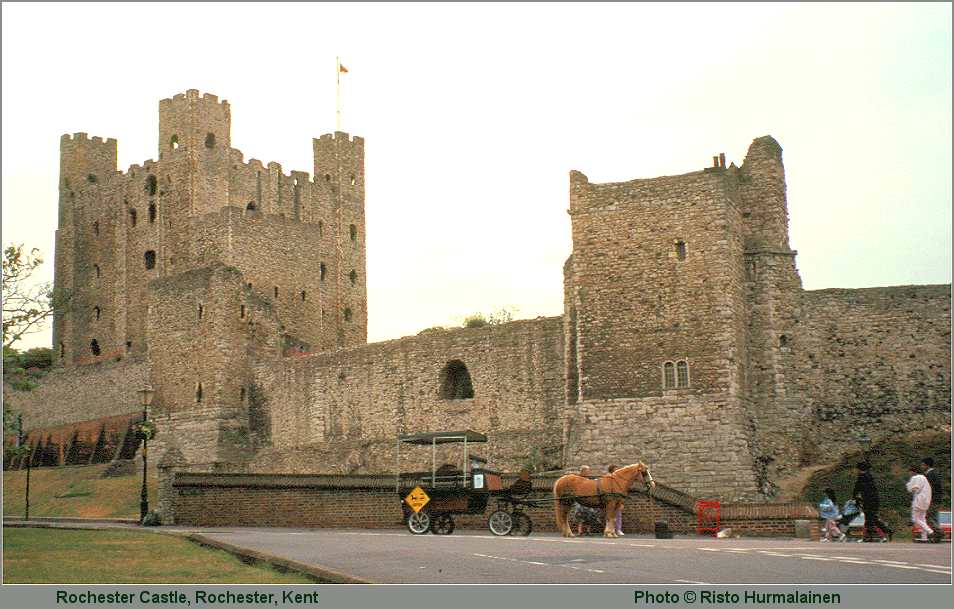
| Rochester
Tourist
Information
Centre |
95 High Street, Rochester, Kent ME1 1LX -
England, UK Rochester Tourist
Information Centre is situated in Rochester, close to
Chatham and Gillingham on the North Kent coast. Call in
and we can give you more information on local visitor
attractions or assist you with finding a place to stay
from a great selection of hotels and bed & breakfast
accommodation available in and around Rochester. |
||
| Sandwich
Tourist
Information
Centre |
The Guildhall, Sandwich, Kent CT13 9AH -
England, UK Discover more about the
small town of Sandwich and nearby places at the Sandwich
Tourist Information Centre, situated close to Ramsgate,
Margate, Broadstairs and Deal in South East Kent. The
premises are packed with lots of tourism information to
help you plan your holiday or break in the area. If you’d
like help with transport timetables, are looking for
accommodation in and around Sandwich, or just want to know
what tourist attractions you can visit, then call in and
let us offer you some advice. The area has lots to offer,
including White Mill folk museum, Sandwich Bay bird
observatory, Sandwich Bay Beach and the Richborough Roman
fort. |
||
| Sevenoaks
Tourist
Information
Centre |
Buckhurst Lane, Sevenoaks, Kent TN13 1LQ
- England, UK At Sevenoaks Tourist
Information Centre, we are here to help you. We have
information on Sevenoaks to other nearby destinations such
as Swanley and Maidstone in Kent. We can assist you in
finding accommodation in a hotel or bed & breakfast in
Sevenoaks, provide guides and local maps and give advice
on the Sevenoaks tourist attractions you can see and
visit. We have Ightham Mote and Knole House attractions,
so you’ll find there’s lots to see and do. |
||
| SwanleyTourist Information Office |
London Road, Swanley, BR8 7AE. Swanley Tourist Information Centre is in a brand new building in the centre of the town directly opposite Asda car park. Purpose built and shared with the Library and a very pleasent cafe.Contact us for information about London - Where to stay What to Do, Big Bus Tickets and numerous leaflets and guide books as well as other souvenirs for our Capital City.We also hold vast amounts of information for the rest of the UK and are happy to provide a booking service for accomodation, for which we make a small charge.A photocopying and fax service is available and Internet access in the Library. The centre is run and managed by Swanley Town Council. |
||
| Tenterden
Tourist
Information
Centre |
Town Hall, High Street, Tenterden, Kent
TN30 6AN - England, UK Tenterden Tourist
Information Centre is situated in the small town of
Tenterden, close to Ashford and Cranbrook in central Kent.
Nearby visitor attractions include the Kent & East
Sussex Railway, Smallhythe Place historic house (National
Trust), South of England Rare Breeds Centre and Historic
Vehicles Collection Museum. Call in and we can give you
more information on these and other attractions, plus we
can assist you with finding a place to stay from the
selection of hotel and bed & breakfast accommodation
in and around Tenterden. |
||
| Tonbridge
Tourist
Information
Centre |
Castle Street, Tonbridge, Kent TN9 1BG -
England, UK Discover more about Tonbridge and the surrounding area at Tonbridge Tourist Information Centre, situated close to Royal Tunbridge Wells and Sevenoaks in Kent. The information centre is packed with lots of helpful travel and tourism information to help you plan your break in the area. If you’d like help with transport planning, are looking for accommodation in Tonbridge, or just want to know about the Tonbridge visitor attractions, call in and let us offer you some advice. The area has lots to offer, including Penshurst Place historic house. |
||
| Tunbridge
Wells
Tourist
Information Centre |
The Old Fish Market, The Pantiles,
Tunbridge Wells, Kent TN2 5TN - England, UK At Tunbridge Wells Tourist Information Centre, we are here to help you with travel and tourism information about Tunbridge Wells and other nearby towns such as Sevenoaks, Tonbridge and Hildenborough in Kent. Find bed & breakfast or hotel accommodation in Tunbridge Wells, get a local map or guide book of the Kent region or some advice on some of the best tourist attractions in and around Tunbridge Wells. We have Groombridge Place Gardens and Hever Castle attractions nearby. |
||
| Westerham Tourist Information Centre | Junction 5-6 Clacket Lane Motorway Service Area Westerham Kent TN16 2ER | ||
| Wessex
Tourist Board |
|
||
| Whitstable
Tourist
Information
Centre |
7 Oxford Street, Whitstable, Kent CT5 1DB
- England, UK Whitstable Tourist
Information Centre is situated in Whitstable on the North
Kent coastline near to Herne Bay and Canterbury. Call in
and we can give you more information or assist you with
finding a place to stay from a great selection of hotels,
bed & breakfast and self-catering accommodation in
Whitstable. |
||
  |
Bed and breakfast and self-catering accommodation in University of Kent, CanterburyNEWLY AVAILABLE! Staying in university accommodation is a convenient and affordable way to stay in Canterbury. With modern bed and breakfast (B&B) rooms from £26, and 5 bedded self-catering houses from £89.50, it is a cost effective alternative to staying in a hostel or a hotel. Availability is mainly
in the Easter (April/May) and summer (July, August,
September) vacation periods, when students clear their
rooms. Rooms typically become available two to three
months in advance, so please revisit the website within
that period if nothing is available now.
|
|
THE KENT
COUNTY SHOW 2015
Great British Heritage Pass - Visit Britain with the Great British Heritage Pass - the best of British sightseeing and historic Britain for UK visitors. Get free entry to almost 600 British heritage tourist attractions around England, Scotland, Wales and Northern Ireland. |
|||||||
Kent Attractions & CLICK THROUGHS |
Picture |
Address &
Opening Times |
Tel No |
||||
|
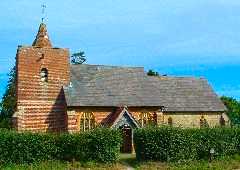
Although a church has stood on this
site for over 1000 years, most the church was built
between 1760 and 1770. There are also some remains of
a medieval church in the west tower, aisle, nave and
chancel. All Saints has become one of the most famous
churches in Kent due to the stained glass windows
designed by Marc Chagall to commemorate the death of
Sarah Venetia who drowned in a sailing accident. The
windows were installed in the 1960’s to the 1980’s.
The church is an active parish church, still used for
services.
|
 |
The Vicarage, Sychem Lane, Five Oak
Green, Tonbridge, Kent TN12 6TL |
01892 836653 |
||||
|
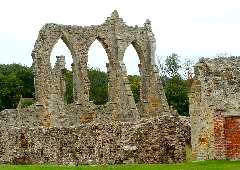
This
13th
Century abbey survived until it was dissolved by Henry
VIII during the Reformation. It was, however, partly
rebuilt in the 18th century to provide a romantic view
for the nearby house. Despite this, the remains of the
church, cloister, chapter house and dormitory date
still date from the thirteenth Century, as does all
the detail found on the abbey remains. The abbey was
built out of local sandstone. Visitors to Bayham Abbey
can also view the nearby 18th century Dower house. The
abbey is set in a picturesque wooded valley, near
Tunbridge Wells and Lamberhurst.
|
 |
Off the B2169, Lamberhurst, Kent TN3
8DE |
01892 890381 |
||||
|
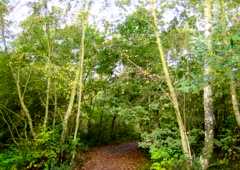
BEACON
WOOD
COUNTRY
PARK CLICK This 70-acre country park takes its
name from the beacons that were built here during the
Napoleonic Wars to warn Londoners if their enemies
were attempting an invasion. Given the wide variety of
plant life found here, such as oak, ash, chestnut,
bluebells, dogs mercury and wood anemone, and the
numerous ponds that are home to both amphibians and
insects, many walkers are surprised to learn of the
park’s industrial history. In the late 19th Century
the EC Powder Company manufactured smokeless gun
powder here.
|
 |
Southfleet Road, Bean, Kent DA2 8BS
|
01622 817623 |
||||
|
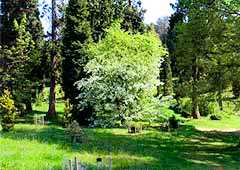
Open every day, Bedgebury is the
perfect place for walking, cycling, riding and playing
in a spectacular world of trees. The National Pinetum
is a world-class collection of dramatic conifers and a
beautiful setting for a country walk in all seasons.
In addition, the 2000 acre Bedgebury Forest now offers
miles of family cycling, mountain-biking, riding,
walking and adventure play for all ages and abilities.
The new visitor centre has cycle hire, refreshments
and showers.
|
 |
Park Lane, Goudhurst, Nr.Cranbrook,
Kent TN17 2SL |
01580 211781 |
||||
|
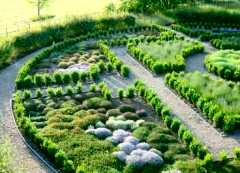
Belmont House and Gardens
The unique Georgian house of Belmont, set in beautiful gardens and surrounded by classical English country parkland, commands stunning views of the rolling Kent countryside and is a completely unspoilt and distinctive example of the work of architect Samuel Wyatt. Whilst the house and gardens evolved over the years it remained the seat of successive Lords Harris from 1801 until the Sixth Lord's death in 1995. The Harris family played a significant role in British expansion overseas during the 19th century. Belmont contains fabulous mementos of the family's history and travels - fine paintings, furniture, Indian silverware and the finest collection of clocks in private hands in the country; a collection assembled by the 5th Lord. The house also contains a unique collection of watercolour paintings by the Trinidadian artist Michel Jean Cazabon. |
 |
Belmont Park, Throwley, Faversham, Kent, ME13 0HH | 01795 890202 | ||||
|
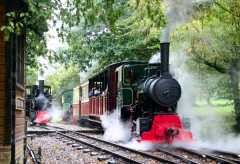
BREDGAR & WORMSHILL LIGHT RAILWAY CLICK One
of
the best narrow gauge railways in the UK, a fine
collection of twelve steam locomotives, on open days
at least two operate a regular passenger service on
the 1km line and visitors can take unlimited rides. A
large building houses steam locomotives, traction
engines, model locomotives, vintage vehicles and a
working beam engine. The railway is close to Leeds
Castle with picnic sites and free parking on 30 acres
of grass and woodland.
|
 |
The Warren, Bredgar, Kent ME9 8AT |
01622 884254 |
||||
|
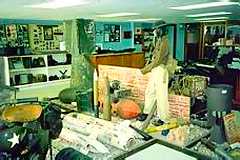
BRENZETT
AERONAUTICAL MUSEUM CLICK Brenzett
Museum
is
a unique collection of wartime equipment, remains
recovered from aircraft crash sites and memorabilia
collected and donated to the museum since 1972. The
exhibition is located within the original buildings
used as a hostel for the Womens Land Army during the
war and part of the exhibition is dedicated to those
ladies. The museum has one of the largest bomb
disposal equipment displays in the UK.
|
 |
Ivychurch Road, Brenzett, Romney
Marsh, Kent TN29 0EE Easter to end of October - Saturday, Sunday, and Bank Holidays During School Summer Holiday Open Fridays 11.00am to 5.30pm |
01797 344747 |
||||
|
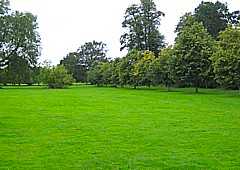
Camer
Park
is
comprised of 45 acres of designated Outstanding
Natural Beauty. Following the death of its last
resident, Kate Smith-Masters, the Camer estate was
sold to Strood Rural District Council in 1967 for
£9,750 and converted to a public park in 1971.
Visitors can choose to either roam at leisure admiring
the variety of original trees that make up the mature
parkland or undertake one of the series of walks
devised by Meopham Footpaths Group through the
adjoining woodland.
|
 |
Camer Park Road, Meopham, Kent DA13
0AL |
01474 337553 |
||||
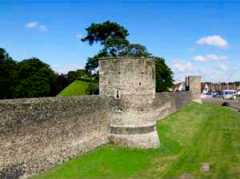
CANTERBURY ACCESSIBLE HERITAGE TRAIL CLICKThe Historic Fortifications Network has created
the Canterbury Accessible Heritage Trail. A trail
suitable for wheelchairs, which takes you along the City
Wall via Dane John Gardens, up Castle Street to the
Norman Castle and into the city to the Cathedral and the
Westgate Gardens. It is available in leaflet form from
the Canterbury Information Centre, situated opposite the
Cathedral Gates in The Buttermarket. The leaflet
includes a map with a detailed route and several points
of interests, such as the City Walls, the Norman Castle
and the Cathedral.There are two suitably placed disabled car parks
on either end of the trail. Alternatively, you can park
in the multi-storey car park and a car park (both in
Castle Street) where there are dedicated parking bays
for disabled badge holders. Vehicles displaying a valid
blue badge can use pay and display car parks for free.The leaflet is available in
alternative formats.
|
 |
Canterbury, Kent, CT1 |
tel: 08458 247 600. | ||||
|
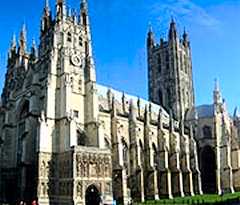
Welcome to the
website of Canterbury Cathedral, Mother Church of
the Anglican Communion and seat of the Archbishop of
Canterbury. The Cathedral is both a holy place and
part of a World Heritage Site. It is the home of a
community made up of many different types of people
all of whom seek to make the Cathedral a place of
welcome, beauty and holiness. We hope you will be
inspired to visit Canterbury and the Cathedral and
look forward to welcoming you. The Very Reverend
Robert Willis Dean of Canterbury
|
 |
Cathedral House, 11 The Precincts,
Canterbury, Kent CT1 2EH |
01227 762862 |
||||
| An entertaining night-time stroll around the Old City in the company of Kent's Premier Award Winning Ghost-Hunter. From Canterbury East Station head through Dane John Gardens into Castle Street then St Margaret's Street towards the Cathedral. | 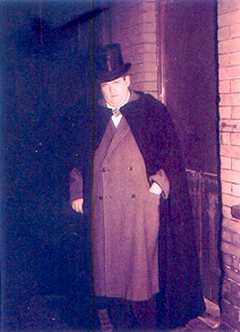 |
Ghost Tour Canterbury, Kent, CT1 2HX |
Mobile: 07779 575 831 |
||||
CANTERBURY
GUILD
OF
GUIDES CLICK
|
Canterbury Guild of Guides
Canterbury, Kent, CT1 2NU |
Tel: 01227 459779 | |||||
| The tour lasts between 30 and 40 minutes. Firstly, we take you up to a small Franciscan island at one end of the city, which is also known as The Greyfriars. The island is home to a wonderful little chapel from the 13th century which spans the river, and is the oldest example of Franciscan architecture in the country. We then pass under the 12th century Eastbridge Hospital and the King's Bridge (1134), continuing down river past some industrial buildings from the medieval period, including The Old Weavers House, The Kings Mill, and the Cromwellian iron forge. After some wonderful views of the cathedral, the tour then passes through the Dominican priories which were built by the Blackfriars in the 14th century, and ends up in a peaceful garden area, that was the site of the old Abbots Mill in the city. We then return to our starting point which is home to the infamous ducking stool. Each boat is chauffeured by one of our team, who acts your guide to the sights upon the river by giving you the enjoyable history of all the different buildings that you pass along the way. Throughout the season, from April to September, our tours leave every 15 to 20 minutes. Unless you are a group of more than 12 people (see group bookings), there is no need to book in advance. Simply visit us at the King's Bridge, outside The Old Weavers House to find out the next available tour time. A single ticket tour which has a drop off point at the Millers Garden is also available but must be requested prior to departure. | 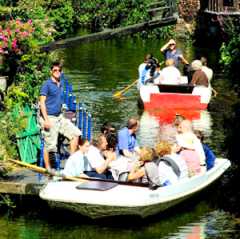 |
Kings Bridge, St Peter's Street, Canterbury, Kent, CT1 2AT |
Tel: 07790 534744 | ||||
|
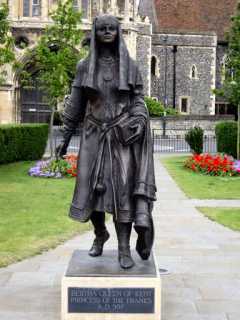
Queen Bertha's walk links together Canterbury's three World
Heritage Sites - the Cathedral, St Augustine's Abbey and St
Martin's Church. The Walk is named in memory of Bertha,
Queen of Kent, who kept alive the flame of Christianity in a
pagan country through her daily worship at St Martin's
Church, and who, with her husband King Ethelbert, welcomed
St Augustine to Canterbury in 597. St Augustine also
worshipped at St Martin's until his monastery, dedicated to
St Peter and St Paul in 615, had been built. The Abbey was
rededicated St Augustine's by Archbishop Dunstan in 978. The
first Cathedral in England was founded by St Augustine
shortly after 597 on the site of an earlier church where the
present Cathedral now stands.A short detour can be taken on
the return journey to view the Conduit House or St
Augustine's water chamber, the water source for the Abbey.
The free information sheet on Queen Bertha's Walk is
available from Canterbury Visitor Information Centre,
situated opposite the Cathedral Gates in The Buttermarket.
More detailed guidebooks are available at the Cathedral, St
Augustine's Abbey and St Martin's Church. |
 |
Canterbury Information Centre, 12 -13 Sun Street, Canterbury, Kent, CT1 2HX |
Tel: 01227 378100 | ||||
|
Your
journey starts at the Tabard Inn, in London where you
meet Chaucer and his merry band of pilgrims. On your
walk to Canterbury you will be entertained by the
stories of chivalry, romance and even horror. Your
journey ends at the breathtaking reconstruction of the
shrine of St Thomas Becket in Canterbury Cathedral, the
very reason for Canterbury’s position throughout the
years as a major destination for pilgrims and tourists
alike. As you leave, you pass through Canterbury’s
recreated medieval market place where traders from a
wide area are selling their wares.
|
 |
St. Margaret's St., Canterbury CT1 2TG |
01227 479227 |
||||
|
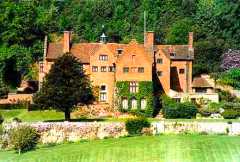
Once
the
home of Winston Churchill, Chartwell boasts
spectacular views over the Kent countryside. The
gardens include the various lakes and ponds which
Churchill built, as well as Lady Churchill’s rose
garden and a vegetable garden, which is being restored
to its original state. The house contains a vast
collection of Churchill’s paintings, photos and
memorabilia. The property also has a restaurant and a
National Trust gift shop. Details of special events,
such as guided walks and lectures, can be obtained
upon request.
|
 |
Mapleton Road, Westerham, Kent TN16
1PS |
01732 868193 |
||||
|
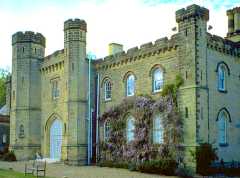
CHIDDINGSTONE CASTLE Re-modelled in the late Georgian castle style, this enchanting fantasy dates back five hundred years. It houses fabulous collections of the late owner Denys Bower - historic furnishings and paintings, Royal Stuart memorabilia, Japanese lacquer, Egyptian and Buddhist antiquities. Picturesque extensive parkland and lake. |
 |
Hill Hoath Road, Chiddingstone,
Edenbridge, Kent, TN8 7AD |
01892 870347 | ||||
|
Guided tours, our experienced guides will take you on a lamp lit tour, during which you will hear of the Druids, Romans and Saxons. Visitors also see the tunnels made famous as a shelter during World War 2 when the Caves became the largest air raid shelter outside of London. See the Caves Church, Druid Altar, Haunted Pool and much more! Gift Shop with a range of associated gifts, trinkets and collectables. Ample Free Car & Coach parking. Licensed Restaurant offering a wide variety of freshly prepared meals, snacks and daily specials. Why not come in for a traditional English breakfast, lunch or just tea and cakes! |
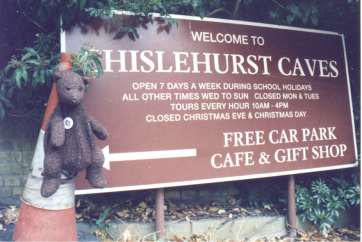 |
Old Hill, Chislehurst, Kent, BR7 5NB Caves open Wednesday to Sunday, 7 days a week during school holidays and half terms (except Christmas). 45 minute Guided Tours 10am - 4pm available every hour, on the hour. |
020 8467 3264 | ||||
|
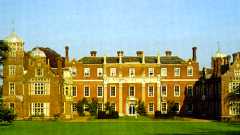
One
of
the largest, finest and most important houses in Kent,
Cobham Hall is an outstandingly beautiful, red brick
mansion in Elizabethan, Jacobean, Carolean and 18th
Century styles.It yields much of interest to the
student of art, architecture and history. The
Elizabethan wings were begun in 1584 whilst the
central section contains the Gilt Hall, wonderfully
decorated by John Webb, Inigo Jones_ most celebrated
pupil, 1654. Further rooms were decorated by James
Wyatt in the 18th century.Cobham Hall, now a girls_
school, has been visited by several of the English
monarchs from Elizabeth I to Edward VIII, later Duke
of Windsor. Charles Dickens used to walk through the
grounds from his house in Higham to the Leather Bottle
pub in Cobham Village. In 1883, the Hon Ivo Bligh,
later the 8th Earl of Darnley, led the victorious
English cricket team against Australia bringing home
the _Ashes_ to Cobham.
|
 |
Cobham, Kent DA12 3BL the House closes at 5pm, and the last
tour starts at 4pm. The Grounds close at 6pm.
Souvenir Shop and Cream Teas available from 2pm to
5pm. |
01474 823371 |
||||
|
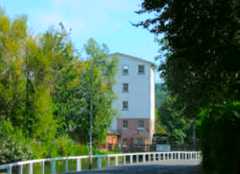
The
mill
is a historic building in Kent built in 1812 to supply
flour to feed the troops camped out along the Kent
coast awaiting a possible invasion by Napoleon. You
may do tours of the mill and see all of its machinery
working. Other facilities include an art gallery and
tea room.
|
 |
Lower Road, River, Dover, Kent CT17
0UY Weekends only October to Christmas and February to Easter Tuesday to Sunday Easter to September 11:00 a.m. to 5 p.m. (Open on Bank Holidays) |
01304 823292 |
||||
|
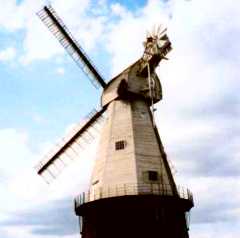
The Union Windmill was built in 1814 and stands at the highest point overlooking the town of Cranbrook. It is the second tallest surviving windmill in the British Isles, measuring 72 feet to the top of the cap. It is the tallest surviving smock mill, with an eight-sided three-storey brick base and a four-storey, fixed wooden tower above that, clad in white painted weather-board. It has four sails (called sweeps in the Southeast) with patent shutters and a fantail which keeps the sweeps facing into the wind at all times. The mill has recently undergone major renovations and is in excellent working order. Wind permitting, wheat is ground and visitors can purchase wholemeal flour in our shop. |
 |
The Hill, Cranbrook, Kent Easter to end Sept, Sat 2.30pm - 5pm. July & August, Sat & Sun 2.30pm - 5pm. |
01580 712256/712984 | ||||
|
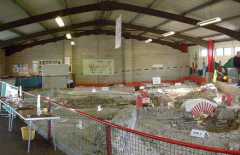
Ten rooms of a Roman Villa-House, within a cover building can be seen with tessellated and concrete floors and hypocaust (under-floor central heating). With graphic displays, touch table of Roman Artefacts and activities for children, including mosaic making, Roman games, dressing up as Romans and brass rubbing. |
 |
Kent Archaeological Unit, Crofton Road, Orpington open Wed – Fri
10-5, Sun 2-5, April – Oct. |
01689 873826 |
||||
|
|
 |
The Terrace, Gravesend, Kent DA12 2BW |
01474 337600 |
||||
|
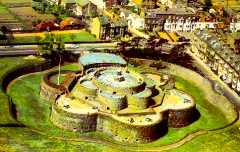
Deal Castle Deal Castle was Henry VIII's austere fortress, and once carried 119 guns. This fascinating, well kept castle has lots for you to explore, such as the battlements, the dark twisting passages, and the huge basement which contains a fine exhibition of England's coastal defenses. You can enjoy a taped tour, which is available in several languages, and children get a free activity sheet so they'll make the most out of their visit to Deal Castle. |
 |
Victoria Road, Deal, Kent, CT14 7BA | 01304 372762 | ||||
|
DODDINGTON PLACE GARDENS CLICK
|
 |
Sittingbourne, Kent ME9 0BB |
01795 886385 |
||||
|
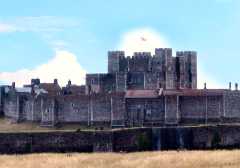
DOVER CASTLE & WARTIME TUNNELS CLICK
|
 |
Dover, Kent CT16 1HU |
01304 201628 |
||||
|
|
 |
Luxted Road, Downe, Kent BR6 7JT |
01689 859119 |
||||
|
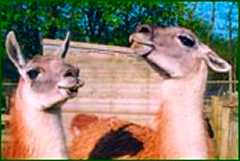
Whether you are interested in meeting our many friendly animals, having fun in the adventure play areas, finding peace and tranquility in the enchanted woodland, or just relaxing in the idyllic surroundings of the park garden, you won't be disappointed.Set in a landscape valuable, not only for its natural beauty, but moreover its abundance of wildlife and flora. Visit around Easter time, and you will be astounded by the fabulous display of bluebells in the woodland. Summer brings the budleja (butterfly tree) into full glorious flower. During autumn you can discover woodland fungi and winter buds, whilst throughout the year rhododendrons, conifers and other well established shrubs and trees make the Park a delight to visit.Follow the trail around the Enchanted Woodland, and discover the sleeping dragon, and other magical creatures. The trail provides much fascinating information about the diversity of the trees and animals that dwell within, whilst charming you with its mystical themes.Adventure play areas, under-cover picnic areas and imaginative creations like our labyrinth walk, all set amidst the breathtaking settings of our parkland and gardens, all add to an unforgettable day out for all the family. |
 |
Honey Hill • Blean • Nr Canterbury • Kent |
01227 765 168 | ||||
|
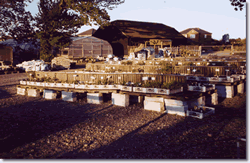
EAST NORTHDOWN FARM & GARDENS CLICK Three acre gardens with a range of coastal and chalk loving plants, our Nursery on site produces one of the most comprehensive ranges of plants in the South East. All plants are listed on our on-line catalogue. Where possible the plants have been propagated from proven stock in our gardens that are open at no charge to visitors. Tea and tours are available by appointment for groups. |
 |
Margate, Kent, CT9 3TS Situated between Broadstairs and Margate on the B2052 (George Hill Road) near the North Foreland (directions available on our website). Open: 7 days, 10am to 5pm. |
01843 862060 | ||||
|
|
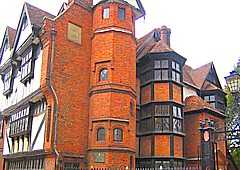 |
High Street, Rochester, Kent ME1 |
01634 844176 |
||||
|
ELHAM VALLEY RAILWAY MUSEUM CLICK
|
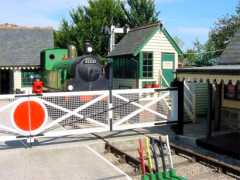 |
Peene, Newington, Folkestone, Kent
CT18 8BA |
01303 273690 |
||||
|
|
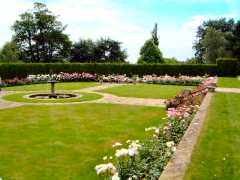 |
Ide Hill, Sevenoaks, Kent TN14 6AY |
01732 751509 |
||||
|
Fairfax Gallery Tunbridge Wells provides a striking juxtaposition of contemporary art with its setting in the heart of the historic Pantiles, Royal Tunbridge Wells, Kent. The gallery holds regular exhibitions ranging from solo to thematic shows, details below. The Gallery is 5 minutes walk from the rail station and has several car parks close by, and is a short drive from Lewes, Sevenoaks, Brighton, Lewes, Rye |
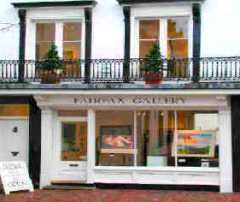 |
23 The Pantiles, Tunbridge Wells,
Kent TN2 5TD |
01892 525 525 |
||||
|
|
 |
Nash Court, Boughton, Faversham, Kent
ME13 9SW |
01227 751144 |
||||
|
|
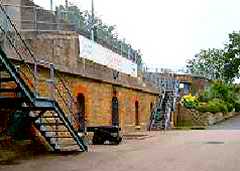 |
Milton Place, Gravesend, Kent DA12
2BT |
01474 337600 |
||||
|
|
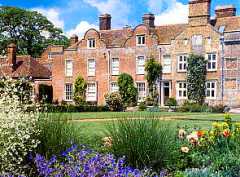 |
Godinton House, Godinton Lane,
Ashford, Kent TN23 3BP |
01233 620773 |
||||
|
|
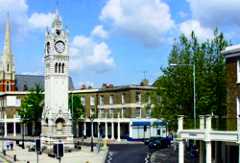 |
Harmer Street, Gravesend, Kent DA12
2AX |
|||||
|
|
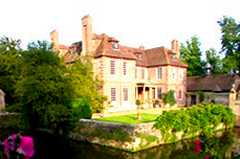 |
Groombridge, Tunbridge Wells, Kent
TN3 9QG |
01892 861444 |
||||
|
Hall Place A fine Grade 1 Listed country house built in 1540 for Sir John Champneis, a Lord Mayor of London, and extended in the 17th century. The house is set in beautiful formal gardens on the banks of the River Cray. Now owned by Bexley Council, some of its rooms are open to the public. A magnificent Great Hall contains an 18th century chamber organ built by George England. Hall Place houses Bexley Museum and galleries that offer a changing programme of exhibitions throughout the year. The house is also the venue for concerts, lectures and private functions. Open daily in summer and Monday - Saturday in winter. |
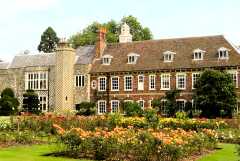 |
Bourne Road, Bexley, Kent, DA5 1PQ | 01322 526574 | ||||
|
All that remains of Henry’s
Blockhouse today is the foundations excavated during the
1980s. However, in 1540 the Blockhouse was one of five
forts built to prevent an enemy fleet attacking London.
When Henry VIII visited here he would have seen a
D-shaped brick and stone tower pierced with gun ports,
as would Charles II who used the Blockhouse as a
banqueting hall. By the 18th Century, it has become a
gunpowder storage magazine, before being demolished in
1844 to make way for the gardens of the Clarendon Royal
Hotel.
|
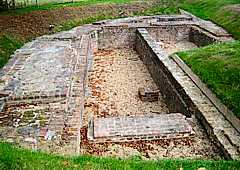 |
Royal Pier Road,
Gravesend, Kent DA12 2BE |
|||||
|
Childhood home of Ann Boleyn, dating back to 1270. Step back into the splendour of the Tudor Court as it is recreated with costumed figures, displays and portraits. Plus 35-acres of Italian gardens featuring a lake, maze, Tudor Garden, herb garden and unique ‘splashing’ water maze. Adventure playground including NEW Henry VIII's Tower Maze, gift shop, garden shop, restaurants. |
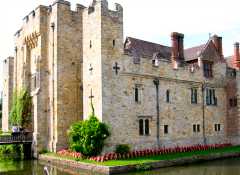 |
Hever, Edenbridge, Kent, TN8 7NG 1 March - 30 November daily. |
01732 865224 | ||||
|
Located two miles west of Tunbridge
Wells, these impressive rocks date back millions of
years. Visitors can walk over the eleven inter-linked
bridges to reach the impressive sandstone rocks.
Woodland walks over several acres of woodland can also
be enjoyed. These rocks were once a stone age camp, but
are now part of the High Rock complex, which also
includes a pub and a railway station. They are also a
very popular spot for wedding photos and climbing.
|
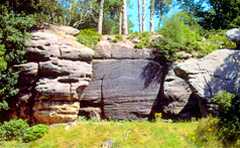 |
High Rocks Lane,
Tunbridge Wells, Kent TN3 9JJ |
|||||
|
HISTORIC CHATHAM DOCKYARD CLICK The Historic Dockyard Chatham is a great place to visit - on your own, with friends and family, or with your club, association or school. Set in an 80-acre estate with stunning historic architecture|, historic ships| and museum galleries|, the site offers a unique and rewarding visitor experience that will excite, educate and entertain you - whatever your age! The dockyard also offers a truly unusual venue for your wedding|, social occasion| or business event |and is often used as a film location|. One of Kent's top tourist attractions, The Historic Dockyard Chatham is easy to find. Well signposted from the A2/M2 (junction 1) and with plenty of car parking, the dockyard is also close to Chatham Station with fast regular connections to London and the Kent Coast. See how to find us.| The Historic Dockyard Chatham is in the care of Chatham Historic Dockyard Trust, an independent charity, whose task is to restore and preserve this important part of Britain's national heritage. |
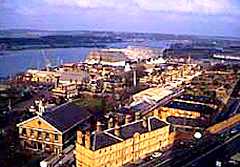 |
Chatham ME4 4TZ |
01634 823807 |
||||
|
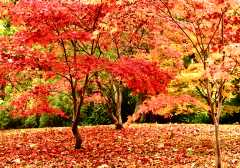
Hole Park Gardens are situated on
the edge of the picturesque Weald village of Rolvenden.
A family owned estate Hole Park has been owned by the
Barham family for the past four generations.The gardens
reflect the care and long-term planning that is unique
to family owned estates. It also manages to combine
formalised gardens with true woodland elements.Visitors
can now enjoy the New Exotic Border and autumn colour in
the gardens.
|
 |
Hole Park is situated
between the Kent villages of Benenden and Rolvenden in a
superbly beautiful area of the High Weald. Hole Park Gardens Edward Barham |
01580 241 344 / 241 386 |
||||
|
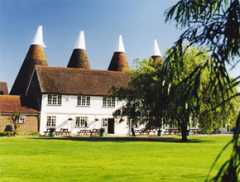
The Hop Farm, located near the
village of Paddock Wood, is a popular Kentish
attraction. For children there are indoor and outdoor
play areas, an animal farm and pets corner, as well as
the famous shire horses. Various museums and exhibitions
include a walk through the last century, a hop-farming
exhibition and a collection of military vehicles. The
Hop Farm is also a venue for many show and events, some
the biggest include, the war and peace show, food and
drink festivals, wedding shows, music and motoring
events.
|
 |
Paddock Wood, Kent TN12
6PY |
01622 872068 |
||||
|
Howletts Wild Animal Park is home to
a wide variety of animals, from tapirs and small cats,
to tigers and gorillas. Howletts is set within 90 acres
and has the largest group of captive gorillas in the
world. Another main attraction is the breeding herd of
African elephants, (the largest in the UK.) Recent
developments at Howletts include a new open area in
which you can walk with the lemurs and a black rhino
breeding facility. Visitors will benefit from various
restaurants and shops around the park and informative
and fun keeper talks throughout the day
|
 |
Bekesbourne Road,
Bekesbourne, Canterbury, Kent CT4 5JL |
(0)1227 721286 |
||||
|
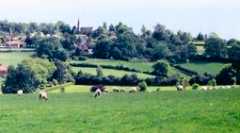
As the highest point in Kent, Ide
Hill provides spectacular views of the Kent countryside
and its numerous footpaths allow plenty of opportunities
to enjoy the local wildlife. Local landmarks that
walkers should look out for include the old Hunting
Lodge, where Henry VIII and Anne Boleyn used to meet in
secret, and the Hanging Bank, the site of a former
gallows which is rumoured to be haunted by a poltergeist
that lifts up the benches in the vicinity.
|
 |
Sevenoaks, Kent TN14 |
|||||
|
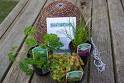
Iden Croft Herbs Beautiful, aromatic Herb Gardens and a 15th century Walled Garden. Home of the National Mint, Origanum and Nepeta Collections. Plant/Herb Shop. Extensive facilities and garden for disabled. Coach parties book in advance. |
 |
Frittenden Road, Staplehurst, Tonbridge, Kent, TN12 0DH | 01580 891432 | ||||
|
|
 |
Mote Road, Ivy Hatch, Sevenoaks, Kent, TN15 0NT 12th March - 29th
October, 7 days. Grounds, Shop & Restaurant; 10am
- 5.30pm. House 10.30am - 5.30 pm, Last Entry 5.00pm. |
01732 810378 |
||||
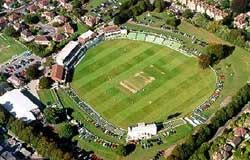
KENT
COUNTY CRICKET CLUB CLICK The formation
of the original Kent County Cricket Club took place in
Canterbury in August 1842, and played its initial
first-class match against All-England that same month.
On March 1 1859 there was a substantial reorganisation
and the present Kent CCC was formed. Kent had been
proclaimed Champion County in 1837, and held the title
through most of the 1840s. However, they did not claim
it again before the formation of the County
Championship as we know it in 1890.
|
 |
Kent
County Cricket Club Limited St Lawrence Ground Old Dover Road Canterbury Kent CT1 3NZ |
Tel: 01227 456886 |
||||
|
|
 |
The Historic Dockyard, Chatham, Kent
ME4 4TZ |
()1634 403260 | ||||
|
|
 |
Hire Cruises Ltd., Undercliffe
Boathouse, Bishops Way, Maidstone, Kent ME15 6XG |
01622 753740 |
||||
|
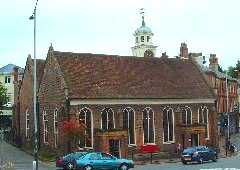
King Charles The Martyr Church
|
 |
The Parish Office, King Charles
Church Hall, 3 Warwick Park, Tunbridge Wells, TN2 5TA |
01892 511745 |
||||
|
|
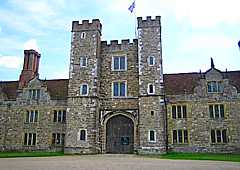 |
Sevenoaks, Kent TN15 0RP |
01732 462100 |
||||
|
|
 |
Sevenoaks, Kent TN15 0RP |
01732 462100 |
||||
|
|
 |
The Down, Lamberhurst, Kent TN3 8ER |
01892 890412 |
||||
|
|
 |
Open Easter to October 9.00am - 6.00
daily. October onwards Sundays only (weather
permitting). |
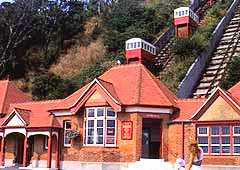
01303 852277 |
||||
 |
|||||||
|
|
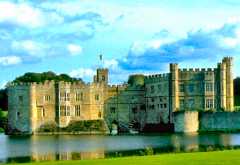 |
Near Maidstone, Kent, ME17 1PL |
01622 765400 |
||||
|
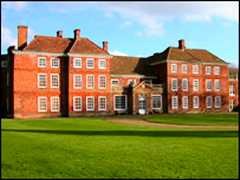
LULLINGSTONE CASTLE Near to Roman Villa, this historic family mansion and church was frequented by Henry VIII and Queen Anne. |
 |
Lullingstone Park, Eynsford, Dartford, Kent, DA4 0JA | 01322 862114 | ||||
|
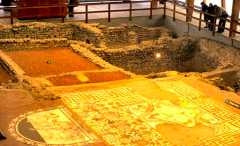
Lullingstone Roman Villa Situated in a picturesque river valley and complete with wall paintings, superb mosaic tiled floors and even skeletal remains, the villa is one of the most exciting archaeological finds to date. The free audio tour gives a unique glimpse into Roman ‘middle-class’ life. English Heritage. |
 |
Lullingstone Lane, Eynsford, Dartford, Kent, DA4 0JA | 01322 863467 | ||||
|
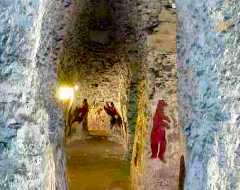
MARGATE CAVES Due to re-open Easter
2007. **Experience history, mystery and legend in
impressive chalk caverns which were discovered in 1798
and are believed to be over 1000 years old. The caves
have, in their past, been used as a refuge from coastal
invaders, a prison and dungeons, a church during years
of religious persecution and a hideaway for smugglers
and their contraband. |
 |
1 Northdown Road, Cliftonville, Margate, Kent, CT9 2RN | 01843 220139 | ||||
|
|
 |
Marle Place Road, Brenchley, Kent
TN12 7HS |
01892 722304 |
||||
|
|
 |
c/o Shepway District Council, Leisure
& Tourism Services, Civic Centre, Castle Hill
Avenue, Folkestone, Kent CT20 2QY |
01303 852277 |
||||
|
|
 |
Wrotham Road, Meopham, Kent |
01474 813518 |
||||
|
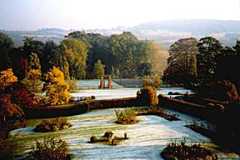
Mount Ephraim Gardens Mount Ephraim Gardens are at the heart of an 800 acre estate comprising the house and gardens, a progressive fruit farm, woodland and grazing. The glory of the garden lies in its superb site. The house, rebuilt in 1870, but the home of the Dawes family for over 300 years, commands a truly magnificent view over woodland parks, orchards and the Swale and Thames Estuary. |
 |
Staple Street, Hernhill, Faversham, Kent, ME13 9TX | 01227 751496 | ||||
|
|
 |
Lock Lane, Sandling, Maidstone, Kent
ME14 3AU |
01622 763936 |
||||
|
|
|
Milton Place, Gravesend, Kent DA12
2BT |
01474 337600 |
||||
|
North Downs Way National Trail |
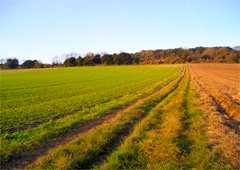 |
From Farnham in Surrey to Dover in
Kent |
|||||
|
|
 |
Nurstead Church Lane, Meopham, Kent
DA13 9AD |
01474 812121 |
||||
|
|
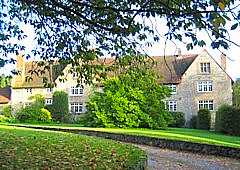 |
Wrotham, Kent TN15 7AH |
|||||
|
|
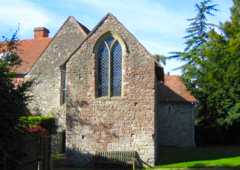 |
Plaxtol, Borough Green, Kent TN15 0QX |
01732 811145 |
||||
|
|
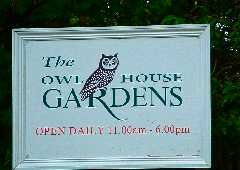 |
Mount Pleasant, Lamberhurst,
Tunbridge Wells, Kent TN3 8LY |
01892 891290 |
||||
|
|
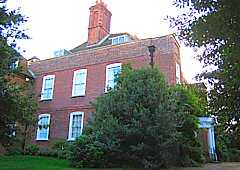 |
The Street, Cobham, Gravesend, Kent
DA12 3AP |
01732 453401 |
||||
|
|
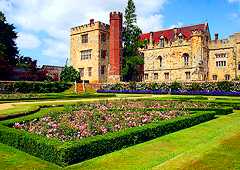 |
Penshurst, Kent TN11 8DG |
01892 870307 |
||||
|
|
 |
||||||
|
|
 |
||||||
|
Powell Cotton Museum, Quex House and Gardens |
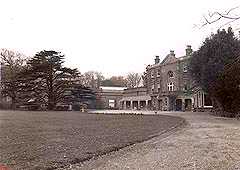 |
Quex House &
Gardens, Quex Park, Park Lane, Birchington, Kent, CT7
0BH Opening
Times: April to Oct: Tues, Wed, Thurs, Sun & Bank
Holiday; 11am - 5pm (House opens at 2pm). March:
Sundays only; 11am - 4pm (House closed). Closed:
November, December, January and February. |
01843 842168 |
||||
|
|
 |
||||||
|
|
 |
||||||
|
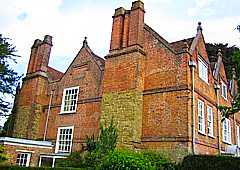
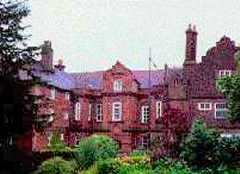
Restoration House Restoration House, in the Kent city of Rochester, 30 miles south-east of London, takes its name from the stay by King Charles II on the eve of the monarch's restoration to the throne. Described as England’s finest pre-Civil War town house, it opened to the public in 2000 and belongs to Robert Tucker, who admits his work there is "a labour of love". Restoration House: Was previously owned by TV comedian Rod Hull, who fell to his death from the roof. Upstairs is the chamber in which, in Dickens’ story, Miss Havisham’s wedding feast lay untouched. Has beautiful rooms filled with 17th/18th century furniture and portraits by Reynolds, Gainsborough and others. A walled garden includes a formal pond, yew hedges and herbaceous borders. |
 |
17-19 Crow Lane, Rochester, Kent, ME1 1RF | 01634 848520 | ||||
|
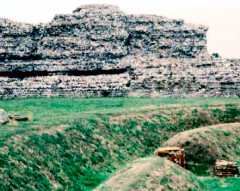
Richborough Castle It was here that the Romans launched their successful invasion of Britain in 43 AD. Dover and the surrounding areas are rich in ancient Roman ruins, and Richborough is an example of one of the most impressive forts, of which many of the walls and defensive ditches survive. There is a model showing how the fort looked when it was first built. You can enjoy taped tours of this fascinating landmark. |
 |
Richborough, Sandwich, Kent, CT13 9JW | 01304 612013 | ||||
|
|
 |
||||||
|
|
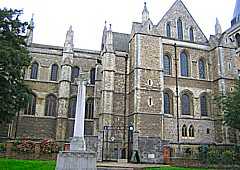 |
Garth House, The Precinct, Rochester,
Kent, ME1 1SZ |
01634 401301 |
||||
|
|
 |
||||||
|
|
 |
||||||
|
Scotney Castle Garden & Estate |
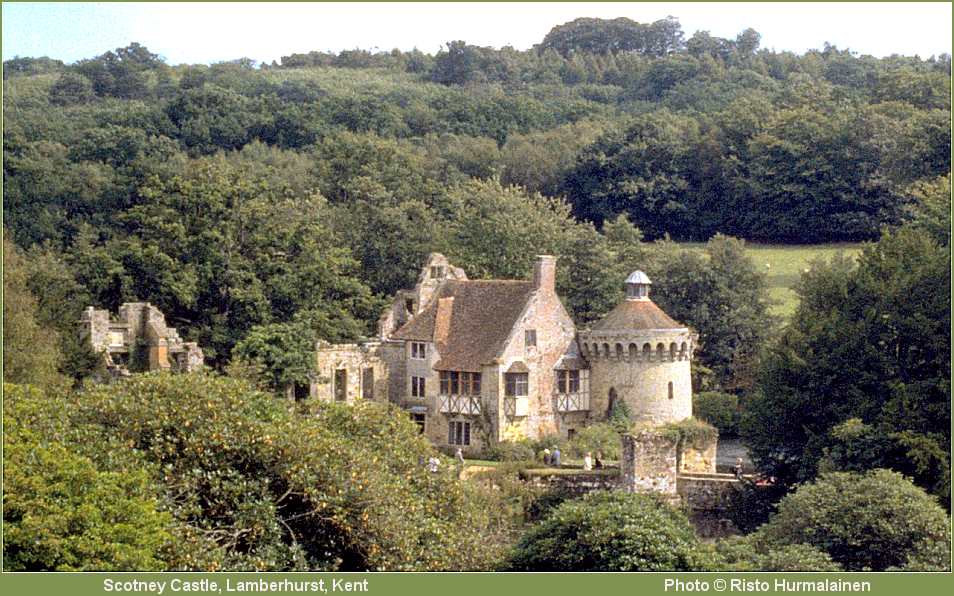 |
||||||
|
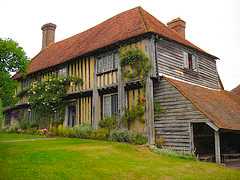
Smallhythe Place Owned by Shakespearean actress, Ellen Terry for 28 years, 16th century half-timbered house with sumptuous display of stage costumes and theatrical mementoes. Charming cottage garden and old fashioned rose garden. National Trust. |
 |
Smallhythe, Tenterden, Kent, TN30 7NG | 01580 762334 | ||||
|
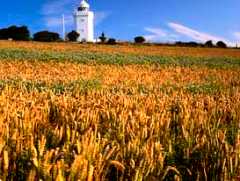
SOUTH FORELAND LIGHTHOUSE CLICK High upon the famous White Cliffs stands this magnificent lighthouse, built in 1843. This historic building was the site of Faraday's work in pioneering the use of electricity in lighthouses, and was the first to display an electrically powered signal. The lighthouse was used by Marconi about 100 years ago to perform radio telegraphy experiments. The world's first international radio transmissions were made here. Enjoy a relaxed guided tour and discover what makes this lighthouse so special. |
 |
The Front, St. Margarets Bay, Dover, Kent, CT15 6HP 31st March - 30th October, Fri, Sat, Sun & Mon and everyday in School holidays, 11.00am - 5.30pm, Last Entry 5.00pm. |
01304 852463 | ||||
|
|
 |
||||||
|
|
 |
||||||
|
St Andrew’s Arts Centre and Mission House |
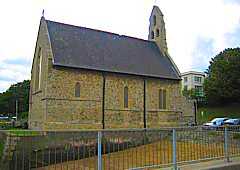 |
||||||
|
|
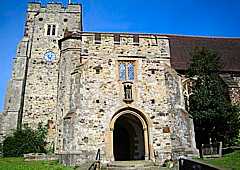 |
||||||
|
|
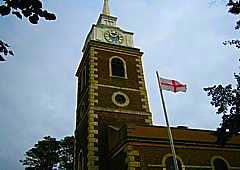 |
||||||
|
|
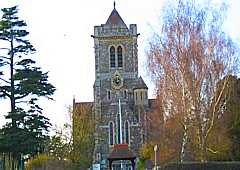 |
||||||
|
|
 |
||||||
|
|
 |
||||||
|
|
 |
Cobham, Kent DA12 3DB |
01474 814332 |
||||
|
|
 |
Church Road, Stone, Kent DA9 9BH |
|||||
|
|
 |
Westerham, Kent TN16 1TL |
01959 561330 |
||||
|
|
 |
Church Road, Sundridge, Kent TN14 6DD |
01959 563749 |
||||
|
|
 |
Church Street, Lower Higham, Kent ME3
7LR |
|||||
|
|
 |
Valley Road, Fawkham, Kent DA3 |
()1474 703819 | ||||
|
|
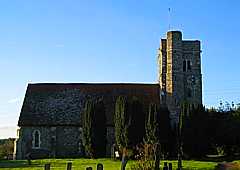 |
Nurstead, Meopham, Kent DA13 9AD |
01474 813170 |
||||
|
|
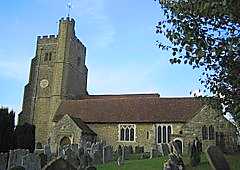 |
Church Street, Seal, Kent TN15 0AT |
|||||
|
|
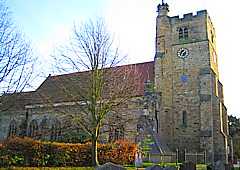 |
Church Lane, Tonbridge, Kent TN9 1HD |
01732 770962 |
||||
|
|
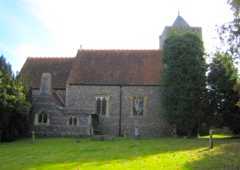 |
Luddesdown Road, Luddesdown, Kent
DA13 0XE |
01474 814332 |
||||
|
Stoneacre Small and quite lovely 15th century half timbered house, it was restored in the 1920s and of special interest are the Crown Post and Great Hall. A very pretty garden featured in magazines and Good Gardens Guide. National Trust. |
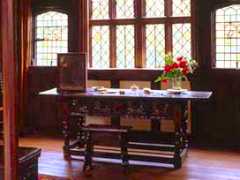 |
Stoneacre Lane, Otham, Maidstone, Kent, ME15 8RS | 01622 862157 | ||||
|
Temple Manor (English Heritage) The manor house of the Knights Templar, constructed during the thirteenth century. |
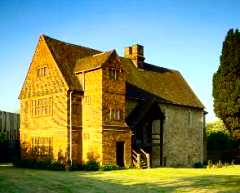 |
Knight Road, Strood, Rochester, Kent | 01634 827980 | ||||
|
|
 |
||||||
|
|
 |
||||||
|
|
 |
||||||
|
|
 |
||||||
|
|
 |
||||||
|
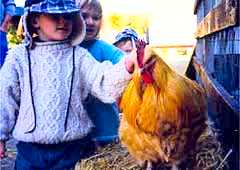
The South of England Rare Breeds Centre
|
 |
||||||
|
Swanton Mill Working windmill. |
 |
Situated: Mersham | 01233 720223 | ||||
|
|
 |
||||||
|
|
 |
||||||
|
|
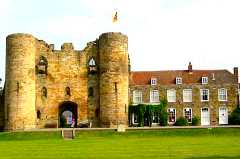 |
Castle Street, Tonbridge, Kent, TN9
1BO |
01732 770929 |
||||
|
|
 |
||||||
|
|
 |
||||||
|
|
 |
||||||
|
|
 |
||||||
|
|
 |
||||||
|
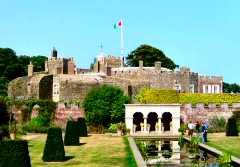
Walmer Castle Walmer Castle was built in 1540 as part of Henry VIII's chain of coastal defences. Over the centuries it has transformed from a fortress to a beautiful stately home with exceptional gardens. It is the official residence of the Lord Warden of the Cinque Ports, currently the Queen Mother. Taped tours are available in several languages. |
 |
Kingsdown Road, Deal, Kent, CT14 7LJ | 01304 364288 | ||||
|
|
 |
||||||
|
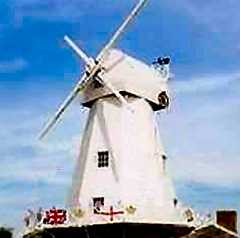
Willesborough Windmill Working windmill. |
 |
Situated: Ashford | : 01233 661866 | ||||
|
|
 |
||||||
|
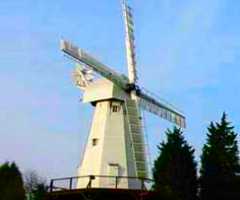
Woodchurch Windmill Working windmill. |
 |
Situated: Woodchurch | 01233 860649 | ||||
|
|
 |
||||||
|
|||||||||||||||||||||||||||||||||||||||||||||||||||||||||||||||||||||||||||||||||||||||||||||||||||||||||||||||||||||||||||||||||||||||||||||||||||||||||||||||||||||||||||||||||||||||||||||||||||||||||||||||||||||||||
|
ALEC's KENT
OUTDOOR EVENT GUIDE 2007 prepared
by Lance Publications, Park House, Park Road,
Petersfield, Hampshire, GU32 3DL email: info@showmans-directory.co.uk
website: www.showmans-directory.co.uk
The full Directory is
available from them.
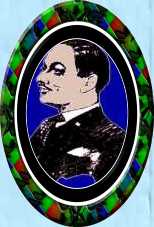
This section is included in memory of the late Alec Davey of R.Bromley & Co. Ltd- the wine merchants, to commemorate his 25 years entertaining all at the major events (1962-1987). Read about him CLICK HERE |
 |
||||||||||||||||||||||||||||||||||||||||||||||||||||||||||||||||||||||||||||||||||||||||||||||||||||||||||||||||||||||||||||||||||||||||||||||||||||||||||||||||||||||||||||||||||||||||||||||||||||||||||||||||||||||||
Campsites in Kent |
|||||||||||||||||||||||||||||||||||||||||||||||||||||||||||||||||||||||||||||||||||||||||||||||||||||||||||||||||||||||||||||||||||||||||||||||||||||||||||||||||||||||||||||||||||||||||||||||||||||||||||||||||||||||||||||||||||||||||||||||||||||||||||||||||||||||||||||||||||||||||||||||||||||||||||||||||||||||||||||||||||||||||||||||||||||||||||||||||||||||||||||||||||||||||||||||||||||||||||||||||||||||||||||||||||||||||||||||||||||||||||||||||||||||||||||||||||||||||||||||||||||||||||||||||||||||||||||||||||||||||||||||||||||||||||||||||||||||||||||||||||||||||||||||||||||||||||||||||||||||||||||||||||||||||||||||||||||||||||||||||||||||||||||||||||||||||||||||||||||||||||||||||||||||||||||||||||||||||||||||||||||||||||||||||||||||||||||||||||||||||||||||||||||||||||||||||||||||||||||||||||||||||||||||||||||||||||||||||||||||||||||||||||||||||||||||||||||||||||||||||||||||||||||||||||||||||||||||||||||||||||||||||||||||||||||||||||||||||||||||||||||||||||||||||||||||||||||||||||||||
CLUB
CRICKET CONFERENCE KENT CLUBS
|
 If you are looking for a bit of Free Fishing in the UK Click on Picture to left |
 
|
|||||||||||||||||||||||||||||||||||||||||||
 |
 |
 |
 |
 |
 |
 |
 |
 |
 |
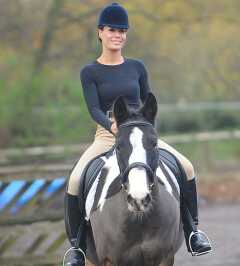 |
 |
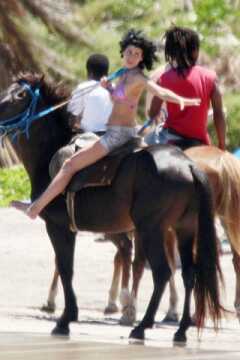
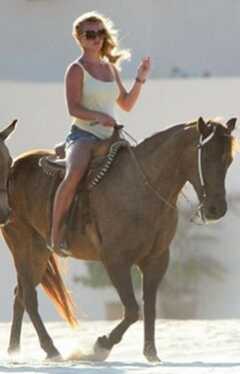
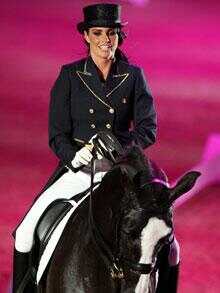
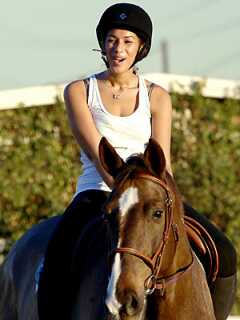
| Amy Winehouse |
Anjolina Jolie |
Britny Spears |
Katie Price |
LaToya Jackson |
Leona Lewis |
Madonna |
Nicole Kidman & Hugh Jackman |
Tara Palmer Tomkinson |
...and their grooms |
| Cranbrook
-
Appletree
Stables The Common Cranbrook Kent TN17 2AN Tel: 01580 713833 |
Benacre
Riding School Benacre Riding School Thanet Way Whitstable CT5 3DG 01227 770931 Benacre Riding School is a very laid back friendly Riding School and Livery yard. We welcome children and adults alike. |
M L Casey Bigberry Farm, Bigberry Road, Canterbury, Kent, CT4 7NE |
Sevenoaks
-
Bitchet
Farm Riding Stables Bitchet Green, SEVENOAKS, Kent TN15 0NA Tel: 01732 762196 |
Blue Barn
Equestrian Centre Great Chart Ashford TN23 3DH Tel :01233 622933 Mobile:07748 707270 |
| Sevenoaks
-
Bradbourne
Riding & Training Centre Ltd Bradbourne Vale Road Sevenoaks Kent TN13 3DH Tel: 01732 453592 |
Bursted Manor
Riding Centre Pett Bottom, Bridge, Canterbury, Kent CT4 6EH Tel ; 01227 830568 The Centre was established 36 years ago and is run by Pam and Becky Tombs and has always provided a professional and caring environment for all levels of rider. |
Lower
Halstow,
Sittingbourne
- Callum Park Riding Centre Callum Hill Lower Halstow Nr.Sittingbourne Kent ME9 7TY Tel: 01795 844978 |
Nr
Canterbury
-
Chaucer Riding And Livery Stables Kake Street Waltham Nr.Canterbury Kent CT4 5SB Tel: 01227 700396 |
Oprington
-
Chelsfield
Riding School Church Road Chelsfield Orpington Kent BR6 7SN Tel: 01689 855603 |
| Cobham Manor Riding Centre Water Lane Thurnham Maidstone Kent ME14 3LU 01622 738497 Cobham Manor is a busy equestrian and livery centre that offers superb facilities, for the horse owner and competition rider. We are situated in the village of Thurnham, near Maidstone, lying in the heart of Kent surrounded by beautiful rolling countryside. |
Hawkinge
-
Coombe
Wood Stables Combe Wood Lane Hawkinge Kent CT18 7BZ Tel: 01303 893332 |
Sutton
by
Dover
- Cornilo Riding Sutton Court Farm Sutton by Dover Kent CT15 5DF Tel: 01304 375033 |
http://www.deepdenestables.co.uk/ | Canterbury - Denne Hill Cross Country Ride |
| Sevenoaks
-
Eaglesfield
Equestrian Events Ltd Eaglesfield, West Yoke, Ash, SEVENOAKS, Kent TN15 7HT Tel: 01474 872242 Mobile: 07958 650036 Email: eaglesfield.jean@btinternet.com Website: http://www.eaglesfield.net |
Bromley - Glebe Farm Livery | Graveney,
Faversham
-
Goodnestone Court Equestrian Goodnestone Court Graveney Faversham Kent ME13 9BZ Tel: 01795 535806 |
Tonbridge
-
Hadlow
College Equestrian Centre Hadlow Tonbridge Kent TN11 OAL Tel: 01732 850551 Fax: 01732 853207 |
Canterbury - High Elms School of Equitation |
| Honnington
Equestrian
Centre Vauxhall Lane, Southborough, Tunbridge Wells, Kent TN4 0XD Tel : 07900 208938 Situated on an 850 acre farm in the beautiful Kentish countryside, with both indoor and outdoor floodlit schools, Honnington has some of the finest equestrian facilities in the county. |
Maidstone
-
Horseshoes
Riding School Dean Street East Farleigh Maidstone Kent ME15 OPR Tel: 01622 746161 |
Limes
Farm Equestrian Centre Limes Farm Pay Street Folkestone Kent CT18 7DZ Telephone: 01303 892335 Fax: 01303 894020 |
Maidstone - Lower Bell Riding School | Canterbury
-
Mannix
Stud Nightingale Farm Whiteacre Lane Canterbury Kent CT4 5SR Telephone:01227 700349 Fax: 01227 700349 |
| Manston
Riding
Centre Ms Laureen Evans Alland Grange Lane, MANSTON, Kent CT12 5BX Tel: 01843 823622 Email: l.e@btinternet.com Website: http://www.manstonridingcentre.co.uk |
Mayfield Stables Ricketts Hill Road Tatsfield Kent TN16 2NG (01959) 571 059 Established in 1996 as a small family run Riding School and Livery Yard, Mayfield has built a reputation for both the excellent quality of it’s teaching and the friendly, relaxing and fun environment in which it operates. |
Mount
Mascal Stables Vicarage Road Bexley Kent DA5 2AW (020) 8300 3947 A modern fully equipped equestrian centre, approved by the BHS, ABRS, and The London Borough of Bexley. We are a family run business and have been operating successfully for 40 years. With the acquisition of the adjacent Taylor’s Yard in 2004, we pride ourselves in being the largest riding centre within the M25. |
Birchington
-
Nelson
Park Riding Centre St Margarets Road, Woodchurch, BIRCHINGTON, Kent CT7 0HJ Tel: 01843 822251 Mobile: 07779 082070 Email: sarah@nelsonpark.co.uk Website: http://www.nelsonpark.co.uk |
Canterbury - The Paddocks |
| Canterbury
-
Park
Farm Riding School Park Road, Preston, CANTERBURY, Kent CT3 1HD Tel: 01227 728349 |
Parkland Unknown, Ashford, Kent, TN26 3DS |
Riding
Farm
Equestrian
Centre Riding Lane Hildenborough Kent TN11 9LN 01732 838717 Riding Farm Equestrian Centre is owned and run by James and Sally Gosling. We are located in Hildenborough, within easy reach of Tonbridge, Tunbridge Wells, Sevenoaks and Bromley. Please get in touch if you have any questions about our riding school, livery service or horse transport business, or would like to enquire about buying a horse. |
nr
Rochester
-
Rye Street Farm Rye Street, Cliffe, near ROCHESTER, Kent ME3 7UD Tel: 07703 312425 / 01634 221030 |
Slades Stables Lane, Vicarage Road, Bexley, Kent, DA5 2AW |
| Smarden
Equestrian Services Bulland, Ashford, Kent, TN27 8RQ |
Sidcup - Timbertop Equestrian Centre | Nr Sittingbourne - Whiteleaf Riding Centre | Willow Farm
Equestrian and Saddlery Ltd Mr Roy Paskell and Ms Liz Burgess Hansletts Lane, Ospringe, Faversham, Kent ME13 0RS Tel: 01795 533669 Mobile: 07789 816448 Email: willowfarmkent@yahoo.com Website: http://ridewithwillow.co.u |
|
Stone Circle Livery, Redbrook Street, Woodchurch, Kent TN26, Tel: 01233 860870 - Full Livery, Overnight, Bed & Breakfast, All Breeds & Disciplines, Foaling, Breaking, Eventing, Hunter/Jumpers, Polo, Showing, Clinics, Outdoor Menage, Round Yard, Transport, Trails, Jumps, 60 Acres |
Shannon Leigh Stables, Vicarage Road, DA5 2AW, Tel: 020 8300 7092 - Horse Livery |
Highstead Riding Centre, Email, Chislet, CT3 4LX, Tel: 01227 860491 - Horse Livery, Riding Lessons |
Sarness Farm Livery Yard, Kake St, Waltham, Kent CT4 5SB, Tel: 07921 189048 - Full & Partial Livery, Overnight, Layovers, All Breeds & Disciplines, Dressage, Breeding, Foaling, Breaking, Showing, Horses for Sale, Training, Outdoor Ménage, Transport, Trails, 18 Acres between Canterbury and Ashford |
Badgers Court Livery, Cacketts Farm, Cacketts Lane, Tel: 01959 533951 - Horse Livery |
Classical Liveries, The Old Rectory, Throwley, Kent ME13 0PD, Tel: 07976 915550 - Full Livery, All Breeds & Disciplines, Riding Lessons, English, Dressage, Clinics, Breaking, Training, Indoor & Outdoor Arenas, Jumps, 17 Acres |
Summer Lees Sports Horses, Summer Lees, Hernhill, ME13 9JJ, Tel: 01227 751295 - Horse Livery |
Black Barn Stables, Email, Lombard Street, Kent da4, Tel: 07963 283 968 - Full & Partial Livery, Dressage, Outdoor Arena, Jumps, 30 Acres |
Elmley Stables, Email, Elmley Road, Brambledown, ME12 3SS, Tel: 01795 871111 - Horse Livery |
Heights Stables, Email, Main Road, Westerham, TN16 2ED, Tel: 01959 571953 - Full & Partial Livery, English, Breeding, Foaling, Training, Indoor & Outdoor Menages, Trails |
Leybourne Grange Riding Centre, Email, Birling Road, ME20 7RT, Tel: 01732 872844 - Horse Livery, Riding Lessons |
JP Livery @ Boyden Gate, Boyden Gate Farm, Kent CT3 4EB, Tel: 07824 387432 - DIY Livery, Riding Lessons, Training, Indoor School, Jumps, Surrounded by Superb bridleways, country lanes and orchards that provide beautiful quiet hacking routes |
Downe Hall Stables, High Elms Road, Downe, BR6, Tel: 01689 859127 - Horse Livery, Riding Lessons |
Merryboys Riding School, Email, Cooling St, Cliffe, ME3 7UA, Tel: 01634 220276 - Horse Livery, Riding Lessons |
Fircrest Liveries, Marshborough Rd, Woodnesborough, Kent CT13 0PE, Tel: 07949-324951 - Full Livery, Overnight, Riding Lessons, English, Training, Outdoor Arena, Jumps, BHS Approved |
Heights Riding Stables, Email, Westerham Heights Farm, Main Road, Westerham Hill, TN16 2ED, Tel: 01959 571953 - All types of Livery, Overnight, Riding Lessons, Dressage, Hunter/Jumpers, Breeding, Breaking, Training, Outdoor Menage, Hot Walker, Jumps, 75 Acres |
|
Tennis Dating
-Click on picture
 |
Kent BTCA Kent Kent LTA North Kent LTA South London League [Singles] Kent Acacia Hall Dartford Appeti Tennis Deal Appeti Tennis Centre Canterbury | Total Tennis site Appeti Tennis Centre Cranbrook | Total Tennis site Appeti Tennis Centre Herne Bay Barham Bearsted & Thurnham Bethersden Brenchley & Matfield Bridge Broadstairs & St Peters | Total Tennis site Canterbury Chilham Chipstead Place Sevenoaks | Total Tennis site Chislehurst David Lloyd Kings Hill West Malling David Lloyd Maidstone Edenbridge Edenbridge Golf Club & Tennis Centre Faversham Faversham Junior Aces Gore Court Sittingbourne |
Gravesend Gravesham Gravesend Hartley Country Club Dartford Headcorn Herne Bay Hildenborough Holmewood Langton Green Hythe Kemsing Knockholt Village Leigh | Totaltennis site Maidstone Margate Meopham Next Generation Darent River Dartford Otford | Total Tennis site | Mini Tennis River Dover St John's Tunbridge Wells Sandwich Sevenoaks [formerly Sevenoaks Clarendon] | Total Tennis site Surrenden Pluckley Tonbridge Trottiscliffe Tunbridge Wells Walmer West Heath Tennis Centre Sevenoaks | Total Tennis site Lewisham Catford Wanderers | Total Tennis site Deptford Sydenham [Bromley] | Total Tennis site |
Bexley Bexley Crescent Sidcup David Lloyd Sidcup | Total Tennis site Martin Dene Bexleyheath Sidcup Recreation Bromley Beckenham | Total Tennis site Bromley | Total Tennis site Bromley Cricket Club Bromley Tennis Centre at Newstead Orpington | Total Tennis site Bromley Wendover Chelsfield Park Hayes HSBC Beckenham Knoll Orpington Orpington | Total Tennis site Parklangley Beckenham South Hill Woods Bromley Sundridge Park | Total Tennis site Sydenham | Total Tennis site Wickham Park Sports Beckenham Greenwich Blackheath | Total Tennis site Blackheath Wanderers David Lloyd Kidbrooke Greenwich Tennis Centre Shooters Hill | Total Tennis site |
| Get
Your Cerdic Merchandise and show your
connection with the Ancient Kingdom of Wessex |
 Cerdic postcards |
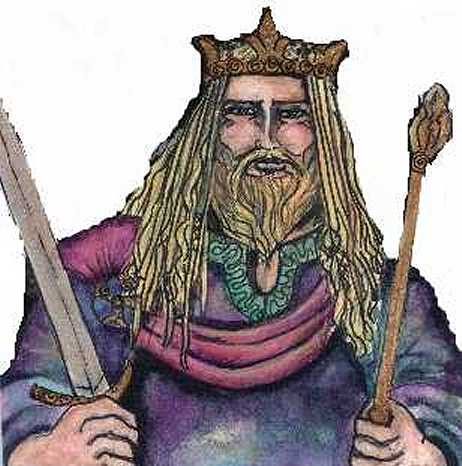 |
 Cerdic's Crown |
 Cerdic's Kids Jousting Shirt
|
 Cerdic's Armour White T-shirt |
 Cerdic Wall Clock Its Been ticking since 497 B.C. |
 Cerdics Babygrow |
 Make Your Dog King For A Day With his own T-Shirt |
|
|
 Cerdic Teddy Bear |
 Cerdic's Saxon Lager Drinking
Vessel
|

 |
|
||
 |
|
||
 |
Click below to book your
Tickets
|

| www.merciatouristboard.org.uk
|
www.wessex.me.uk |
| A
|
C
|



 STORMY
FRONT suggests You Check
For Traffic Problems
STORMY
FRONT suggests You Check
For Traffic Problems






























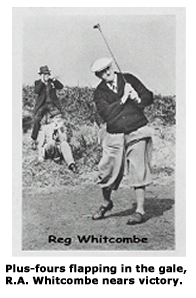
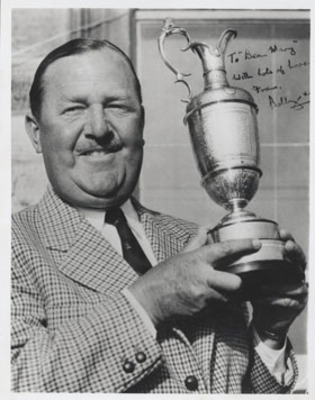
 The
British Open Golf
Championship
2011 July 14
to 17
The
British Open Golf
Championship
2011 July 14
to 17