|
For
a
full list of theatres in the UK.
Click on to Showtime
|
|
|
 In
Memorium In
Memorium
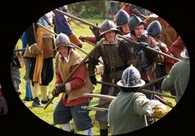
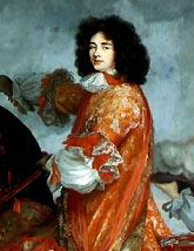
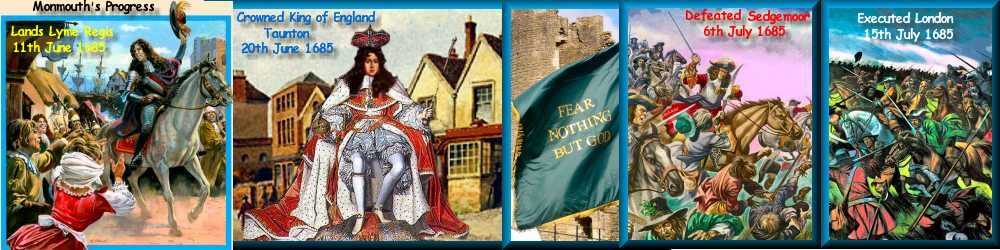
Duke
of Monmouth Crowned King in Chard
1685
In
Memory
of the People of Chard
executed for following me:
Simon Cross, William Davy,
James Dennett, Henry
Earterbrook, Edward Foote,
William Godfrey, Humphrey
Hitchcock, John Jervis, John
Knight, Abraham Pill, Edward
Warren & William Williams.By
courtesy of "hanging" Judge
Jeffries. Although
Monmouth's
rebellion was a disaster for many it
will always be remembered amongst West
Country people as a reason for some
pride. Pride that when liberty was
threatened the West County at least was
prepared to fight against all odds for
what they believed in.
|
 |

|
|
talk;
news and sport; contemporary and
oldies
am1566
Broadcasting House, Park
Street, Taunton,TA1 4DA
01823 368181
Listen
Live
to BBC Somerset - Radio
on
iPlayer
www.bbc.co.uk/somerset
BBC
Somerset
| Somerset
Feed |
 |
You've
got
to have
Heart
ALL YOU REALLY
NEED IS

|
HEART
Somerset's new radio station:
Heart has arrived in
Somerset. You can listen on 96.5 -
97.1 - 102.6 and
Website:
Our new look website has
got plenty of fresh and
fabulous features.There'll be
competitions, music and showbiz news,
fashion and beauty ideas, local event
information, some great DJ blogs and
it'll answer the question 'What song was
that?'.
top
40 chart and
adult
contemporary
music fm102.6
(Somerset) 97.1
(Yeovil) 96.5 (Taunton)
listen
live on
our audio
pages address
&
telephone
number
Haygrove House, Shorditch
Road,Taunton, Somerset TA3 7BT
News: 01823
368330 Sales : 01823 368310
HEART CLICK
Saturday
1st - Charity fashion show at
Dellers Wharf Nightclub in Taunton from
7pm - 10pm, with fashion for all shapes
and sizes! Live music, goodie bags, a
sparkling wine reception and fizzy cider
supplied by the Orchard Pig Cider Company.
Tickets £7.50 or £5.50 for students. Get
tickets and more information at www.verymodelblog.com
*OVER 18's ONLY*
Saturday
1st - Cancer Research May
Market at Wincanton Memorial Hall from
9.30am till 12noon. Plants and stalls with
cakes and crafts. To book a stall call
01963 824874
Saturday
1st - Gemini Tae Kwon-Do
presents 24 Hour Charity
Sparathon. Raising money for the
Dorset and Somerset Air Ambulance Charity
in aid of Elliot Davies. Starts 3pm, at
Kings Fitness and Leisure, Station Road,
Cheddar. For more information check
out www.tkd-selfdefence.co.uk
|
Saturday
1st - Ange Hardy on Tour "Story
In Song" at Corton Denham Village Hall,
near Sherborne from 7.30pm till 9.30pm
Sunday 2nd
- The Glastonbury Road Run!
Starts outside the Town Hall in
Glastonbury. To find out more and to
register go to www.glastonburyroadrun.inf
Wednesday
5th - Saturday 15th - Taunton Art
Group Annual Exhibition at Taunton Library
Art on the Block -
Charity Auction 11th -
6.30pm Here's your chance to buy
the very best quality Art at affordable
prices and benefit Taunton Musgrove Park
Hospital. The auction will be held at the
Castle Hotel, Taunton.For tickets call
(01823) 342 488. Tickets cost £10 Or visit www.artforlife.nhs.uk
to bid online.
Saturday 15th -
Yarlington Specialist Plant Sale at
Yarlington House. From 10am till 4pm. With
plants, cakes, teas, and more.
Saturday 15th -
4th Annual Antiques and Collectables Fair at
Comton Dundon's village hall. With indoor
stalls and outdoor pitches, including plant
sales. Raising money for St Margaret's
Somerset Hospice and Children's Hospice
South West. From 9.30am till 3pm.
Saturday 15th -
Peter Donegan (son of Lonnie Donegan) fronts
his dads original band to play a celebration
of Donegan's music. At the Tacchi Morris
Arts Centre. from 8pm
Saturday 15th -
Ange hardy "Story In Song" at Tatworth
Memorial Hall from 7.30pm till 9.30pm
Adult Learners Week
15th - 21st From
learning Pilates to gaining a PHD, Adult
learners week celebrates learning in all
it's diversity. Events will be taking place
at various locations across Somerset. Call
Sue Edwards on (01823) 347 952 Or visit www.southwest.org.uk
Sunday 23rd -
Conquest Family Fun Day at the Conquest
Equestrian Centre, Norton Fizwarren from
11am till 5pm. With It's A Knockout, mounted
police display, stalls, food and more
Donkey Day! 29th
May
- 11am-3.30pm Come along and
groom donkey's from the Donkey Sanctuary.
For meore information contact us on the
details below. Call the Somerset Rural Life
Museum on (01458) 831 197 Or visit www.somerset.gov.uk/museums
Saturday 29th -
Ange Hardy on Tour "Story In Song" at
Fivehead Village Hall, near Taunton from
7.30pm till 9.30pm
National Family Week.
31st May - 5th June Free
events will be taking place across Somerset
including a week of activity in Taunton Town
Centre. For more info call 0845 345 9177 or
email jtollington@somerset.gov.uk
|

105.6FM & 106.6FM
|
See all the songs that we play, and even
rate the music! Click to listen live!
|
Midwest Radio
The Studios
Middle Street
Yeovil
Somerset
BA20 1DJ
Tel : 01935 848488
Studio : 01935 848484
|
CHARD
TOWN HISTORIC PLAQUE
TRAIL
Chard
2000
first promoted the idea of Plaques
to identify buildings or sites of
historic interest. Each plaque is
produced in metal, oval shaped 500 x
280 mm with white lettering on blue
background, by local company CERDIC
FOUNDRIES, Beeching Close, Furnham
Road, Chard. The
plaques
indicate the site together with the
Borough Seal and some brief
historical notes. All plaques have
been sponsored by local people,
firms, organisations and businesses
as listed below to whom Chard 200
are most grateful
|
Start
at
Guildhall
beneath
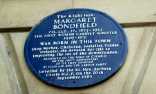
Margaret Bondfield
|
|
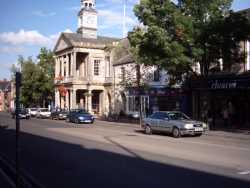
The
Walk
commences
from
the centre of Chard at the Guildhall, the
town's main cultural centre, just down
from Woolworth's at a building now
occupied by Dolland & Aitcheson but
previously occupied by the Bristol &
West Building Society can be viewed
|
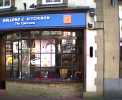
|
1.Bristol & West 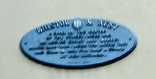
Sponsored by Bristol & West - Unveiled
02/09/1995
|
A hall in the centre of
the street here was an Assize Court and
Market House 1600-1834. Here too Lizzie
Taff was sold in 1801 for half a crown
by her husband,
|
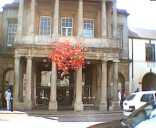
Return to the Guildhall-
Left side facing can be viewed
|
|
2.Chard Town Hall
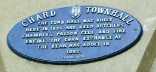
Sponsored by Chard Town Council- Unveiled
30/04/1993
|
The Town Hall was built
here in 1835 and held butchers shambles,
prison cell and fire engine. The Corn
Exchange at the rear was added in 1883
|
Continue
up
Fore
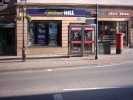
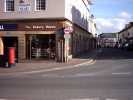
Street and the Cornhill to Bakers Dozen
where two plaques can be viewed on the new
building which replaced the original.
|
|
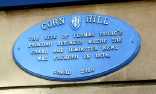
3. Corn Hill
Sponsored by Chard & Ilminster News -
Unveiled 18/02/2000
|
The site of Thomas
Young's printing business where the
Chard & Ilminster News was founded
in 1874
|
|
|
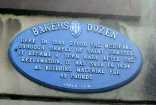
4. Bakers Dozen
Sponsored by Helmsted Society - Unveiled
08/06/1996
|
Here in 1343 stood the
Medieval Borough Chapel of Saint
Francis. It became Town Hall after the
Reformation. It was sold in 1834 as
building material for £43
|
Turn
left
into
Holyrood
Street passing the Baptist Church and then
turn left along the pedestrian way just
past Martin. Go past the back of the Lydl
superore to Boden Street. Cross Boden
Street and turn right. On the left a short
way down you will come to the Boden Arts
Centre. |
|
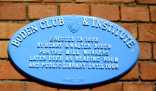
5. Boden Street Library
|
|
Retrace
your
steps
along Boden Street and cross back behind
the Lydl Superstore and on your left is
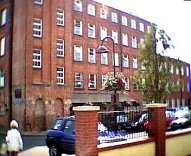
the Holyrood Lace Mill |
|
6. Holyrood Lace Mill
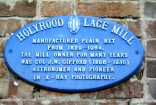
Sponsored by Mr & Mrs D. Hill -
Unveiled 28/02/1998
|
Manufactured plain net
from 1829-1964. The mill owner for many
years was Col. J.W.Gifford (1856-1930),
Astronomer and Pioneer in X-ray
photography.
|
Return to Holyrood
Street and turn left. Continue past Mill
Lane to end of street. Cross at junction
with extreme care to Church Street and
continue to Forton Road where you can view
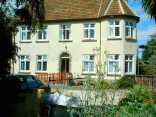
on boundary wall of Glebeland.
|
|
7. Glebeland
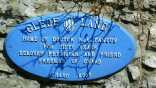
Sponsored by Chard Toc H. Unveiled
30/10/1999
|
Home of Dr. R.A.Fawcus
for 50 years. Beloved Physician and
Friend Freeman of Chard
|
Cross
the
main
road
with Great Care and return to Holyrood
Street with St. Mary's church on your
left. At junction on bounday wall of
Holyrood House you can see the very first
Chard 2000 plaque |
|
8. Borough Boundary
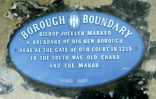
Sponsored by Chard 2000 - Unveiled
14/04/1992
|
Bishop Jocelyn marked a
boundary of his new Borough here 'at the
gate of our court' in 1235 to the south
was Old Chard and the Manor.
|
Continue
past
Manor
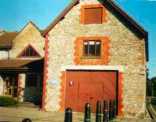
Court School to Crowshute House to view-
|
|
9 Crowshute House
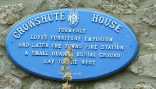
Sponsored by Mr & Mrs.T.Prior -
Unveiled 06/11/1993
|
Formerly Love's
Furniture Emporium and later the Town's
Fire Station. A small Quaker burial
ground lay to the west.
|
Continue
along
Crowshute
Link passing Mitchell Gardens with Beacon
financially supported by Chard 2000. Turn
left into High Street and continue to no
121 which is site of
|
|
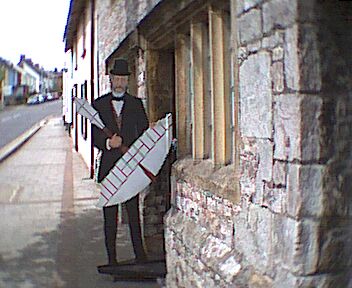
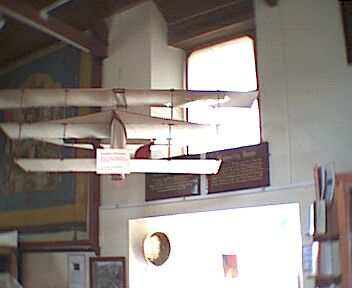
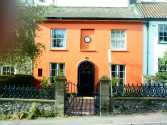
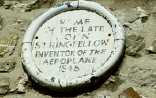
10. Stringfellow's House
|
John
Stringfellow, local tool-maker, flew the
world's first powered aeroplane lived
here.
|
Cross
main A30 road (High Street) and turn
right back down towards town centre. At
the junction with Helliers Road on stone
wall which formed boundary of the now
demolished High Street School can ve
viewed.
|
|
11. High Street School
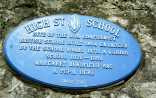
Sponsored by Mr & Mrs J Brice-
Unveiled 09/03/1994
|
Site of the
Non-Conformist British School built 1854 and
enlarged by the school board 1870. A junior
school 1925-1960. Margaret Bondfield was a
pupil here.
|
Return
down
High
Street ( with a chance to visit Chard
Museum) to the hamstone building where
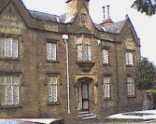
inside the porch can be viewed.
|
|
12. Harveys Homes
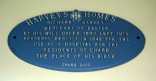
Sponsored by Trustees of Harvey's -
Unveiled 29/05/1997
|
Richard Harvey
merchant of Exeter. By his will dated 1663
left this property, rebuilt in 1842, for the
use as a hospital for the residents of
Chard, the place of his birth.
|
Continue down
High Street passing Choughs Inn on your
left and turn into Coombe Street where on
the front boundary wall of the imposing
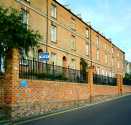
terrace can be viewed
|
|
13. Hope Terrace
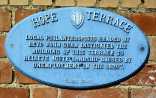
Sponsored by Mrs Liz Doherty - Unveiled
07/12/2002
|
Local
Philanthropists headed by Reverend John Gunn
instigated the buildong of this terrace to
relieve acute hardship caused by
unemployment in the 1820's.
|
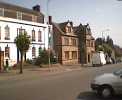
Return to
junction and continue down Fore Street
past Manor Court, Phoenix Hotel, Co-Op
Store and Essex House to Chard School. On
this building can be viewed-
|
|
14. Chard School
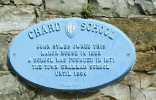
Sponsored by Old Cerdics - Unveiled
08/03/2003
|
John Symes owned
this manor house in 1583. A School was
founded in 1671, The Town Grammar School
until 1890.
|
To view the
next plaque you will need to walk
approximately half a mile. Over the
pedestrian crossing to Furnham Road with
the Church of the Good Shepherd pn your
left. Continue down East Street, over
Victoria Roundabout and turn left into
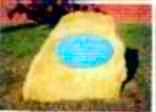
Avishayes Road (opposite Tesco's), past
fire station to Wilkins Close. The plaque
is set in hamstone plinth on site of
former Sunnylands home.
|
|
15. Chard Union
Sponsored by Mr & Mrs K Haines -
Unveiled 19/07/1995
|
Site of the
Chard Workhouse built in 1837 for the relief
of destitution under the 'poor lawact, 1834'
here also wayfarers were lodged. Became
Sunnylands E.P.H. in 1948, demolished 1974.
|
You will need
to retrace your steps back into the town
with Catholic Church on left at East
Street/Fore Street junction. Continue past
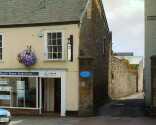
Methodist Church to entrance of Holly
Terrace where on a pillar you can view -
|
|
16. Holly Terrace
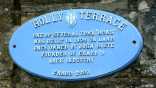
Sponsored by Mrs W Chubb - Unveiled
23/06/2001
|
One of several
Town 'Rows' was built in 1896 on land once
owned by John Riste, founder of Chard's Lace
Industry.
|
Continue up
Fore Street and you will be back where you
started.
|
|
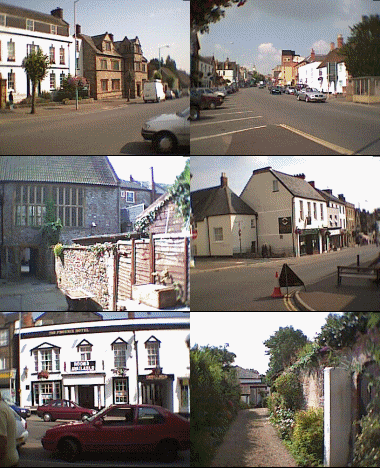
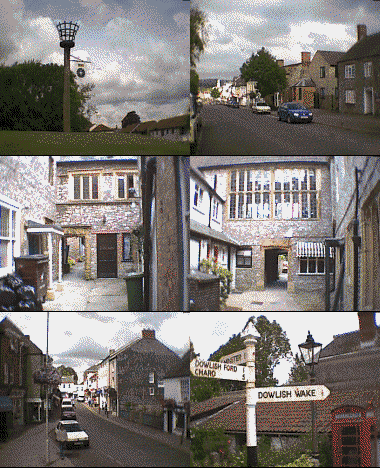
Some of The
Sights of Chard
You Will Pass
on the Historic Plaque Trail
|
|
Churches you pass
on the Trail
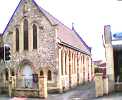
Catholic Church
|
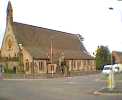
Church of the Good Shepherd
|
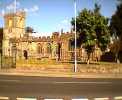
St. Mary's Church
|
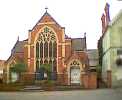
Methodist Church
|
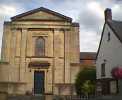
Baptist Church
|
 The
Chard
Lace Riot Audio Walk The
Chard
Lace Riot Audio Walk
It's a Riot
- In 1842 Chard was the Scene of the Famous
Chard Lace Riot. Now YOU can join the rioters
on The Chard Lace Riot Audio Walk. Simply go
to the Tourist Office (Next to the Guildhall)
and get the audio machine. Then you walk the
three quarters of a mile round the 7 sites of
the riots. (There is a resting bench at each
site). Listen to A crowd of starving angry
workers demanding their rights ........Civic
Leaders in Panic.......Tension
Mounting......... Call in The Cavalry.
History re-enacted & brought
vividly to life.
Chard
Tourist
Information Centre,
Guildhall,
Fore Street, TA20
Wessex
Telephone : 01460 260051
email:
chardtic@chard.gov.uk
Monday to Friday 10-4 and Saturdays 10-1
all year round.
Click
here to contact us
|

|
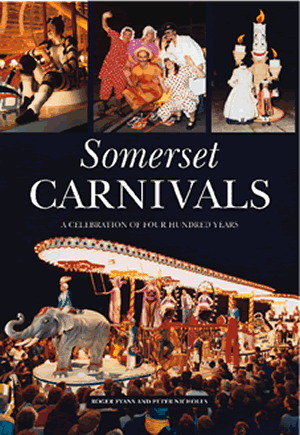
Carnival
heritage
wins £41,000 lottery
grant
11:00 - 15-July-2010
The Carnivals In Somerset
Promotion Project group has
made a successful bid for
Heritage Lottery funding to
promote and conserve the
history of the area's famous
illuminated carnivals. A
Heritage Lottery Fund grant
of £41,000 has been secured
to develop a range of
facilities and key element
will be a mobile exhibition
unit, due to make its first
appearance on Wells
Cathedral Green on August 4.
It will then be touring the
county and elsewhere.The
exhibition van will display
the history, heritage,
culture and community of the
carnivals through images,
video, text and memorabilia.
The van also has a recording
facility to collect oral
histories and memories.
Anyone with carnival
memorabilia is invited to
bring it along. A carnival
DVD and educational package
for schools is being
prepared.
The Carnivals in Somerset
Promotion Project (CISPP),
was formed by volunteers in
January 2009, in response to
concerns that the heritage
of Somerset's illuminated
carnivals could be lost
unless more people are
encouraged to take part in
the tradition.The carnivals
bring in an estimated £40
million of tourist and other
revenue each year. Around
10,000 people are thought to
be involved in carnival and
there are more than 50 float
clubs and another 100 or so
other clubs who enter as
walking groups or
individuals.
The origins of carnivals in
Somerset can be traced back
to the famous Gunpowder Plot
of 1605, when Guy Fawkes and
his fellow conspirators
failed in their attempt to
blow up the Houses of
Parliament. King James I and
his parliament decreed that
the events of November 5
should be commemorated
annually with the lighting
of bonfires which led to a
tradition of merrymaking out
which the carnivals were
born. The Bridgwater
Carnival (the oldest event
of its kind in the UK) can
be traced back to 1847
through journalistic
records.
|
|

The
Somerset
Carnivals
are highly
regarded as the
largest
illuminated
processions in
the world.
They occur late
on in the year
at various
locations
including:
Bridgwater,
Burnham-on-Sea,
Chard,
Ilminster,
Glastonbury,
North Petherton,
Shepton Mallet,
Taunton,
Wellington,
Wells,
Weston-Super-Mare,
and Yeovil.
The carnivals in
Somerset date
back to 400
years, and are
one of the most
spectacular
events in
Somerset today.
In some of the
bigger locations
(such as
Bridgwater), you
can expect to
see crowds of
more than
120,000.
The carnival
floats (or carts
as they are
sometimes
referred as),
are designed and
built by
dedicated
carnival clubs
around the West
Country.
These carnival
clubs have many
members who
raise money
throughout the
year, and work
relentlessly to
achieve the
spectacular
carnival
entries. The
carnival floats
take part in the
carnival parade
along with other
entries; these
range from
clowns dancing
in the streets
to 100ft
illuminated
carnival floats
(some with up to
30,000 light
bulbs) pulled by
tractors.
The timing of
the West Country
Carnival close
to the British
celebration of
Bonfire night is
no coincidence,
as the roots of
the original
carnival in
Bridgwater date
back to
1605. Guy
Fawkes is the
character most
associated with
the plot to blow
up the Houses of
Parliament,
however the
instigator was
Jesuit priest
Robert Parsons
from Nether
Stowey, a short
distance from
Bridgwater.
Parsons and his
colleagues were
Catholics who
wanted to put an
end to the
Protestant King
James VI and
Parliament of
the day, in
order to put an
end to catholic
persecution,
hence they
planned their
ill-fated
attempt on 5
November
1605.
Bonfire night is
a major annual
celebration
across the whole
of England, but
it is likely
that the reason
that the West
Country Carnival
was originally
so keenly
celebrated is
that the South
West towns were
predominantly
Protestant —
hence the
celebration of
Robert Parsons'
(and Guy
Fawkes')
failure. The
religious
origins of the
event are almost
forgotten and
far less
significant
today |
The Carnival
Circuit
The Bridgwater
carnival was the first
carnival of its type, however
other carnival processions
within the South West began
some years ago. They start in
late August and continue until
late November. The oldest and
largest circuit is the
Somerset County Guy Fawkes
Carnival Association Circuit
which starts at Bridgwater,
with many of the carts will
appear in all of the
carnivals. Prizes are awarded
in several categories for the
best carts in each carnival.
The three circuits are:
* Wessex
Grand Prix Circuit:
Sturminster Newton, the third
Thursday in August/weekend
before Bank Holiday;
Trowbridge; Mere; Frome;
Shaftesbury; Gillingham;
Castle Cary & Ansford;
Wincanton; Warminster
* South
Somerset Federation Of
Carnival Committee Circuit:
Wellington held on the last
Saturday in September;
Ilminster; Chard; Taunton;
Yeovil
* Somerset
County Guy Fawkes Carnival
Association Circuit:
Bridgwater on the Friday
following the nearest Thursday
to 5 November; North Petherton
on the following Saturday;
Burnham-on-Sea on the
following Monday; Shepton
Mallet on the following
Wednesday; Wells on the
following Friday; Glastonbury
& Chilkwell on the
following Saturday;
Weston-super-Mare on the
following Monday, the last
carnival in the whole circuit.
From 2012 this will change
with Bridgwater on the first
Saturday after 5 November,
Weston-super-Mare on the
following Friday, North
Petherton on the second
Saturday, Burnham-on-Sea on
the following Monday, Shepton
Mallet on the following
Wednesday, Wells on the third
Friday and Glastonbury on the
third Saturday.
[edit] Carts and floats
Uniquely in the West Country,
the vehicles are called
carnival "carts", unlike other
carnivals where the term
carnival float is used. The
term "cart" is still used
today to describe the large
and elaborate trailers used in
the procession. Carts are
built by local clubs of
individuals funded totally by
charitable donations and
sponsorship from local
businesses.
|
Carts are always
themed, with no restriction
on the theme from the
organising committee.
Regularly chosen themes
include:
*
Popular children's books -
like Alice in Wonderland
*
Favourite children's
characters - such as Disney
characters
*
Scenes or themes from
history - like Pre-Historic,
Victorian or famous Battles
*
Scenes or themes from around
the world - such as
Australia, Rio de Janeiro or
Spanish
*
Travel and transport - such
as cars or trains, e.g. The
Chattanooga Choo-Choo
*
Popular themes of the day -
including pop songs or
dances
*
The future or exploration -
such as space
Carts
include both music and
costumed people to complete
their theme. People and
items on the cart can either
be moving, or static in
tableau format - the later
being difficult to hold
position for on a cold
November evening.
Today these
carts are driven by farm
tractors, and usually also
tow a large diesel driven
electricity generator to
provide the huge amount of
power required to power the
carts. Some generators used
can provide over one
megawatt of power, with
10,000 to 30,000 light bulbs
not uncommon on a modern day
cart.[8] The tractors
themselves are often
decorated to match the rest
of the cart and generator,
and in some cases modified
so that the driver is
positioned low down between
the two front wheels. This
allows for a higher degree
of decoration without
obscuring the driver's view.
The length of the entire
cart is often built to the
maximum allowable of 100
feet (30 m).
These floats
are also interspersed with
walking exhibits, either
groups or singles, and
occasional marching bands or
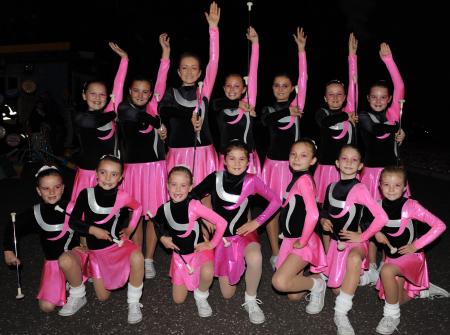
majorette troupes.
 |
| The
dates of the Somerset
Carnivals |
own(Click on Link)
|
Date
|
Picture
|
Time
|
Circuit
|
Bridgwater
[route/map]
The
origins of our annual carnival
in Bridgwater can be traced
back to the Gunpowder Plot of
1605 when Guy Fawkes and his
fellow conspirators, failed in
their attempt to blow up the
Houses of Parliament. That
story is well known to
everyone, but what is not so
widely acknowledged is that it
was King James 1st and his
parliament who decreed that
the events of 5 November
should be commemorated
annually with the lighting of
bonfires, a tradition which is
celebrated across the nation
to this very day.
|
5th
November (Fri) |
 |
7:00pm |
Somerset
County
GFCA |
Burnham-on-Sea
/
Highbridge [route/map]
In
the late 1800s and
contininuing into the 1900s
Burnham celebrated November
5th with a bonfire in the High
Street to which were rolled
blazing tar barrels. In about
1907/8 there were concerns
about safety and it was
decided to have the bonfire on
a field and a torchlight
procession starting in the
High Street and processing to
the bonfire field. Thus in
1909 Burnham had its first
Torchlight Carnival
Procession. This
format
continued until the outbreak
of World War One ,and the
carnival did not return until
1923.It then continued as an
evening carnival until 1939,
when an afternoon procession
was held. Festivities
were
cocooned until 1947 and the
event grew in size and
popularity to become one of
the most popular carnivals in
Essex.Afternoon events were
held on the Mildmay Ironworks
Field and there were madi gras
type events in the High Street
after the procession. In the
1950s a full Funfair was
introduced into the High
Street and this remained until
1966. There
were problems in this year and
the following year an small
afternoon procession was
organised .1967 saw an Evening
procession back,now at the end
of September and much
curtailed from pre-1966. Subsequent
committees have built that
carnival up to what you now
see today, with one of the
most successful Carnivals in
the South East of England.
|
8th
November (Mon) |
 |
7:30pm |
Somerset
County
GFCA |
Castle
Cary
The
Castle Cary & Ansford
Carnivals take place annually
in October. Our Children’s
Carnival usually takes place
on the afternoon of the second
Saturday, when children and
parents process through Castle
Cary town centre. The
Illuminated Carnival takes
places on the evening of the
following Saturday.Around
the time of the Illuminated
Carnival, a fun fair is in
town, and high street traders
compete in a window-dressing
competition. The Carnival
Committee produces a 64-page
Carnival Programme,on sale
locally, which provides
information about the
Carnival, serves as a
directory to the local
businesses that advertise in
it, and includes competitions.
On our pages you will see line
drawings that have appeared in
our Programmes, drawn by
Committee member Pam Pope. On
the evening of the procession
there are barbeques, hog
roasts, and other hot food and
drinks around the town.
|
16th
October (Sat) |
 |
7:30pm |
Wessex
GP |
Chard
(route/map)
In
1967, representatives from the
League of Friends and Chard
Youth Centre met to discuss
ways in which to raise money
for the respective groups.
Gerald Quick, Mervyn Ball, Tom
Miller and Wendy Clulow
decided that the best option
would be to revive Chard
Carnival, after a break of 13
years. The
carnival is now in its 43rd
year and has raised over
£85,000 pounds for local
charities and organisations,
including Chard Christmas
Lights, Children’s Hospice
South West, Chard Hospital and
all the local schools. In
the early 1970’s, Chard,
Ilminster, Wellington and
Taunton formed the South
Somerset Federation of
Carnivals, with Yeovil joining
at a later date. This provided
a competition for the best
entries from the 5 towns
taking part.
|
9th
October (Sat) |
 |
7:15pm |
South
Somerset FC |
Crewkerne
Sandra
Shore,
secretary
of the now-disbanded
committee, said: "It was felt
that due to the current
climate and the difficulty in
fund raising, obtaining
sponsorship, the cost of
public-liability insurance and
new rulings on health and
safety, it would be impossible
to commit to staging this
event with the limited funds
the committee had in reserve
following the disastrous
summer last year and the poor
attendance of floats at the
carnival in December
|
|
|
|
|
Frome
Carnival
has been in Frome since 1929
having been founded by Mr Alan
Bennett together with others
who worked at that time for
Butler and Tanners, a local
printing firm who are still
one of the main employers in
the town. Frome carnival grew
in popularity over the years
and this was aided by the fact
that Mr Bennets daughter Hazel
met and married Mr Roy Butler
M.B.E. he became known as "Mr
Carnival" and was well known
in the community for his
dedication to the carnival
charity which was formed to
help local people in need.
|
25th September (Sat)
|
 |
7:00pm |
Wessex
GP |
Gillingham
|
9th
October (Sat) |
 |
7:30pm |
Wessex
GP |
Glastonbury
[route/map]
Glastonbury,
with
Bridgwater,
is the biggest. At each
carnival there are collections
to raise money for
charities.The Carnival takes
over the town for one day,
starting at around 7.30 in the
evening. Thousands of people
pour in from near and far,
traffic is closed off, and the
town reeks of hot dog stands
and outdoor snack bars. People
line the streets, all wrapped
up against the cold, and the
Carnival floats weave through
town. It's quite a
close-and-friendly affair.
Apart from crowds in the
streets, people hold parties
in houses along the route and
the pubs fill up after the
event. Kids love it - there's
a fairyland element to it,
even though the high-volume
music makes it a little, shall
we say, modern!
|
13th
November (Sat) |
 |
7.00pm |
Somerset
County
GFCA |
Ilminster
This
is the second Carnival in the
Somerset circuit, Ilminster is
a small market town South of
Taunton. Ilminster
always
have some good organisation
and put on a well organised
show with more entries than
most towns. There are prizes
for 1st, 2nd and third in
their different classes, there
is a cup for “Spirit of
Carnival”
It's a fun night out for
all the family and you can
help raise funds for charities
or the clubs for the next
year's entry. Thousands attend
the carnival, so watch out as
parking can get very limited
on carnival nights and the
town centre can often be cut
off to traffic during the
carnival.
|
2nd
October (Sat) |
 |
7:15pm |
South
Somerset FC |
Mere
A popular annual event started
in 1928 when Mere Carnival was
founded.
|
18th
September (Sat) |
 |
7:00pm |
Wessex
GP |
Midsomer
Norton [route/map]
A very enjoyable Carnival which
has been running since 1948
|
11th
November (Thur) |

|
7:15pm |
|
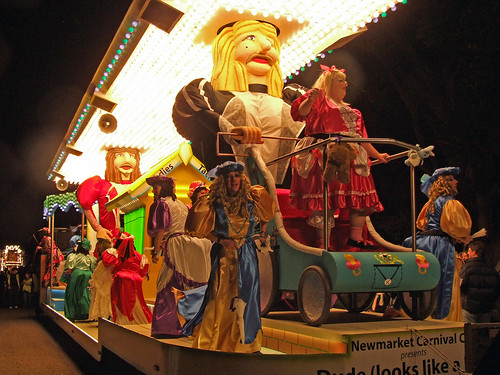
North
Petherton [route/map]
North
Petherton
Guy
Fawkes Carnival, was formed in
1948, and joined the Somerset
County Guy Fawkes Carnival
Association in 1952,and is
regarded by many of our
thousands of spectators, as
the family carnival. This is
due mainly to the fact that it
held on a Saturday night,
which allows the youngsters to
stay up a little later than
normal. The other reason is
that is runs straight through
the town of North Petherton,
Somerset, with no awkward
turns, causing unnecessary
hold ups. As with
thousands of visitors
converged into our small town
emergencies will always happen
and no amount of planning will
not eliminatethis,
please be patient as the
emergency services will deal
with theses as soon as
possible, and allow the
carnival to resume, if they
need to be on
the route. North
Petherton
Guy Fawkes Carnival, offers
ample viewing throughout the
whole route, which allows even
the youngest and eldest of our
visitors, to
watch this marvelous spectacle
of light, sound and
movement. We
do
not charge for admission to
one of the three, largest
illuminated carnivals in the
world, however a street
collection will take place
during the
carnival itself, by numerous
collectors and collecting
vehicles, proceeds of which,
go towards the running of the
carnival, prize money
and finally
the local charities of
which we support. We are
always grateful for any amount
we collect, however our
collections have equated to
only 30p a head. With
over
three hours of entertainment
from the dedicated entrants
and the cost for them to build
these exquisite entries, we
urge you to give at
least £3
per head from your group of
friends or family, and secure
the future of North Petherton
Carnival for future
generations, to marvel over.
|
6th
November (Sat) |
 |
7:00pm |
Somerset
County
GFCA |
Shaftesbury
Shaftesbury
Carnival
is an annual event that has
become part of Shaftesbury’s
history. This year will be the
133rd Carnival, a great
achievement that involves
hundreds of people to make it
such a great success. A lot of
people give their time
voluntarily including people
driving Courtesy cars for our
Mayor and retiring royal
family, collecting vehicles
who turn out year after year,
the many marshals that walk
miles back and forth, the
owners of the land at our
assembly areas, who are always
most helpful and of course,
our sponsors for their
continued financial support,
without which the Carnival
could not survive. There are
more too numerous to mention,
so thank you, thank you, thank
you all.
|
2nd
October (Sat) |
 |
7:00pm |
Wessex
GP |
Shepton
Mallet
[route/map]
The
origins of Shepton Mallet’s
carnival are some what unique.
It all began because the town
needed a community centre. In
the early 1960s the Shepton
Mallet Community Association
was inaugurated to raise funds
for the project.Organisations
from across the town and
surrounding villages pulled
together and it was agreed
that bringing carnival to
Shepton Mallet was one way to
draw in much needed funds.A
Carnival committee was set up
in 1965 and carnival came to
Shepton Mallet. Over the
following decades, thousands
of pounds have been raised for
local charities, unfortunately
donations to the community
centre fund were stopped when
it was realised that for
various reasons the centre
would not be set up.Mr Bob
Kerslake and Mrs Maura
Kerslake were amongst the
founder members with Mr Lionel
Edwards as chairman an office
he held for thirty years this
he handed over to Don Clifford
who remains as chairman at the
present time. In the years
that followed, from 1965 the
sponsorship raised by the
carnival queens and princesses
has done much to cover the
running costs, with street
collections making up the
balance to cover costs and
make donations yearly to local
clubs and charities.Over the
years the carnival grew and in
1978 there were a record 151
entries. It was at this stage
that the decision was made to
no longer plough money into
the community centre fund,
there still being no visible
progress on that project. In
fact Shepton Mallet 30 years
later still does not have a
community hall.
|
10th
November (Wed) |
 |
7:30pm |
Somerset
County
GFCA |
Sturminster
Newton
EVENTS
start on Sunday in the run-up
to Sturminster Newton Carnival
with a church service, a walk
round Broad Oak, and skittles
at the Bull. On Monday there
is a jumble sale, on Tuesday a
pet show and darts at the
Royal British Legion, on
Wednesday a quiz, and on
Thursday the fun fair will
open and the Dorset Doddlers
carnival fun run will take
place. Bingo on Friday, August
20, is followed by carnival
day itself. Sir Thomas
Tyldesley's Regiment of Foote
will be at Durrant re-enacting
the battles of the English
Civil war. In the afternoon
there will be children's fancy
dress, and an evening parade
celebrating the carnival's
60th anniversary. The day will
end with a firework
spectacular.
|
21st
August (Sat) |
 |
7:15pm |
Wessex
GP |
Taunton
The
Taunton Carnival is over a 1.5
mile long route and features
stunning illuminated floats
and walking entries with
lights, glitz and
glam.BUSINESS administration
apprentice Lizzy Grigg was
crowned Miss Taunton 2010 at a
ceremony at Taunton’s
Albemarle Centre. Lizzy will
head the Taunton carnival
parade in October.
|
16th
October (Sat) |
 |
7:00pm |
South
Somerset FC |
Trowbridge
Come
along to the town carnival.
Leaves Canal Road at 7pm, and
makes its way through the town
centre before finishing at
Cradle Bridge (by the library)
Entry forms and a route map
are available form our website
or the town council offices at
10/12 Fore Street.
|
23rd
October (Sat) |
 |
7:00pm |
Wessex
GP |
Warminster
carnival floats, bands &
Masqueraders - 6:45pm from
Boreham Road
|
30th
October (Sat) |
 |
7:00pm |
Wessex
GP |
Wellington
WELLINGTON
Carnival,
which was under threat because
of a demand for £1,500 from
the Performing Rights Society,
has been given a reprieve
following intervention by
Taunton MP Jeremy Browne. The
society wanted to claim the
money under a new law. But
carnival chairperson Josephine
Chave was able to negotiate a
substantial reduction after Mr
Browne took up the cause. The
carnival is set to go ahead as
planned on September 25th
|
25th
September (Sat) |
 |
7:30pm |
South
Somerset FC |
Wells
[route/map]
The
Wells Carnival is a spectacle
not to be missed. It is said
be the biggest illuminated
carnival in the world. These
huge floats make their way
slowly through the medieval
streets intertwined with
street performers with highly
inventive and stunning
costumes. As it is dark at
this time of year the blaze of
colourful lights, music,
dancing and beautifully
tailored costumes on these
floats creates a unique and
exciting atmosphere. The
tableau floats usually depict
a scene with all the
performers in a fixed pose
effectively creating a living
picture.
The carnival is Free to
see and all these floats are
created by enthusiasts who are
raising money for Charity.
The 2010 Wells carnival
is scheduled to take place on
Friday 12th November at 7.00pm
and is a must see for anyone
planning to come to the
area. There is also a
fun fair in the market place.
|
12th
November (Fri) |
 |
7:00pm |
Somerset
County
GFCA |
Weston-super-Mare
NEW ROUTE - [route/map]
WESTON-SUPER-MARE
ILLUMINATED
CARNIVAL, A SPECTACLE OF
LIGHT, MUSIC & COLOUR The
earliest newspaper records
concerning Weston super Mare
November Carnival go back to
1871. In those days it
was usual for the Parade to
start at the Knightstone
Island and after wending its
way through almost every
street in the town, it
dispersed on the beach, where
bonfires were lit and effigies
burned. These were not
only Guy Fawkes, but any
unpopular figure of local
disdain or even international
infamy.This year approximately
100,000 spectators are
expected to line the route
around the town. There will be
around 130 entries, of which
50 will be large illuminated
floats up to 100 feet long and
up to 17 feet high.
|
15th
November (Mon) |
 |
7:15pm |
Somerset
County
GFCA |
| Wincanton |
(23rd
October cancelled ?) |
 |
7:00pm |
Wessex
GP |
| Yeovil |
unknown |
|
|
|
List
of carnival clubs
The following is a list
of major carnival clubs and
their home town locations:
|
- 2Rs Carnival Club -
Temple Cloud, near Bristol,
Somerset
- Aliens
Carnival Club - Frome,
Somerset
- Aysheberton
Stannary Carnival Club
- Ashburton, Devon
- Axminster Young
Farmers Carnival Club -
Axminster, Devon
- Bridgwater YMCA
Carnival Club - Bridgwater
- Brimgrovers Juvenile
Carnival Club - Shepton
Beauchamp, Somerset
- Britannia
Carnival Club - Castle
Cary, Somerset
- British
Flag Carnival Club -
Bridgwater, Somerset
- Cavaliers
Carnival Club -
Bridgwater
- Cary
Comedians Carnival Club
- Castle Cary, Somerset
- Centurions Carnival
Club - a tableau
club based in Bridgwater
- Club 2000 Carnival
Club - Chard, Somerset
- Cobra
Carnival Club - Wells,
Somerset
- Crazy Crew Carnival
Club - Bristol
- Crusaders
Carnival Club -
Bridgwater, Somerset
- Domino
Carnival Club - Chard,
Somerset
- Dynamites Carnival
Club - Glastonbury, Somerset
- Elcipse
Carnival Club Devon
- En-spired Carnival
Club - Salisbury, Wiltshire
- Excalibur Carnival
Club - Topsham, Devon
- Gemini
Carnival Club -
Ilminster, Somerset
- Globe
Carnival Club - Wells,
Somerset
- Gorgons
Carnival Club - Wells,
Somerset
- Gremlins
Carnival Club -
Bridgwater
- Griffens Carnival
Club - created by the merger
of the Griffens and Bath
Bridge Carnival Clubs
|
- Harlequin
Carnival Club - Ilminster,
Somerset
- Hillview
Juvenile Carnival Club
- Highbridge, Somerset
- Hot Rock Carnival
Club - Gillingham, Dorset
- Huckyduck Carnival
Club - Coleford, Somerset
- Ipplepen
Carnival Club -
Ipplepen, near Newton Abbot,
Devon
- Just
Georges Carnival Club
- Sturminster Newton, Dorset
- Key Kids Juvenile
Carnival Club - Meare,
Glastonbury, Somerset
- King William Carnival
Club - Glastonbury, Somerset
- Kipling Cubs Juvenile
Carnival Club - Shaftesbury,
Dorset
- Lime Kiln Carnival
Club - Bridgwater
- Luckington Carnival
Club - Coleford, Somerset
- Mardons Carnival Club
- Midsomer Norton, Somerset
- Magnum Carnival Club
- Blandford Forum, Dorset
- Marina
Sydenham Juvenile Carnival
Club - Bridgwater
- Marketeers
Carnival Club -
Bridgwater
- Masqueraders
Carnival Club - Meare,
Glastonbury, Somerset
- Mendip Vale
Carnival Club - Wells,
Somerset
- Mojo
Carnival Club -
Shepton Mallet, Somerset
- Motiv8 Carnival Club
- Yeovil, Somerset
- Mutineers Carnival
Club - Teignmouth, Devon
- Natajacks Carnival
Club - Frome, Somerset
- New Beginnings
Carnival Club - Taunton,
Somerset
- New Market Carnival
Club - Bridgwater
- Nunsford
Nutters Carnival Club
- Colyton, Devon
- Nunsford Nymphos
Carnival Club - Colyton,
Devon
|
- Oasis
Carnival Club - Frome,
Somerset
- One Plus One Carnival
Club - Ilminster, Somerset
- Pentathlon Carnival
Club - North Petherton,
Somerset
- Peredins
Carnival Club -
Southampton, Hampshire
- Phoenix Carnival Club
- Cullompton, Devon
- Poppe Inne Carnival
Club - Tatworth
near Chard,
Somerset
- Rainbow Carnival Club
- Bridgwater
- Ramblers
Carnival Club -
Bridgwater
- Rascals Juvenile
Carnival Club - Ilminster,
Somerset
- Renegades Carnival
Club - Bridgwater
- Revellers
Carnival Club -
Motcombe near Shaftesbury,
Dorset
- Shambles
Carnival Club -
Shepton Mallet, Somerset
- Seaton Explorers
Carnival Club - Seaton,
Devon
- Sidvale
Carnival Club -
Sidford, Devon
- Spangles
Carnival Club -
Ilminster, Somerset
- St. Peters Carnival
Club - Yeovil, Somerset
- Tango
Juvenile Carnival Club
- Salcombe Regis, Devon
- Toppers Juvenile
Carnival Club - North
Petherton, Somerset
- Vagabonds Carnival
Club - Bridgwater
- Waterside Carnival
Club - Midsomer Norton,
Somerset
- Wells and Glastonbury
Young Farmers Carnival Club
- Wells and Glastonbury,
Somerset
- Westonzoyland
Carnival Club -
Westonzoyland, Somerset
- Wick
Carnival Club -
Glastonbury, Somerset
- Wilfs Carnival Club -
Bridgwater
- Wills
Carnival Club -
Bridgwater, Somerset
- Xtreme Carnival Club
- Ilminster, Somerset
|
|

|
Some Of The
Other Attractions in the Chard Area
|
Click below
to book your Tickets

|
|
Great
British Heritage Pass - Visit Britain with
the Great British Heritage Pass - the best of
British sightseeing and historic Britain for UK
visitors. Get free entry to almost 600 British
heritage tourist attractions around England,
Scotland, Wales and Northern Ireland.
SOMERSET
HERITAGE
CENTRE
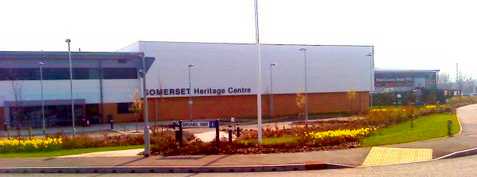 Somerset Heritage Centre Somerset Heritage Centre
Brunel Way, Langford Mead, Norton
Fitzwarren
Taunton, TA2 6SF
Telephone 01823
278805 (enquiries)
01823 337600 (appointments)
Please make an appointment if you
need a guaranteed place in the
searchroom.
Fax 01823
347459
Email
archives@somerset.gov.uk
http://www1.somerset.gov.uk/archives/
|
We exist
to find, preserve and make
available written records of
Somerset's people and
communities.
|
The Somerset
Archives and Local Studies
Service offers:
 Free access for
you to do your own
research, using archives
such as parish, family, school
and business records Free access for
you to do your own
research, using archives
such as parish, family, school
and business records
Accepting documents
relating to Somerset.
An archives online
catalogue.
An
Education and Learning Service,
taking history to schools,
colleges and the wider
community.
A
Research Service if you
can't visit in person.
Talks and exhibitions
A consultation and
advice service in North
Somerset libraries.
Advice on
document repair, handling and
storage.
Please note
that our searchroom is
currently very busy, and so on
some days we cannot
accommodate microfiche or
document users who have not
made an appointment. To
avoid disappointment, please
book a place by
contacting us a
few days before you would like
to come in.
|
The Somerset Archives and
Local Studies Service is
provided by Somerset
County Council and holds
many millions of original
documents, ranging in date
from the eighth century AD to
the present day. It
forms part of the Somerset
Heritage Service, with
Historic Environment,
Museums and the
Victoria County History,
all of which are housed at the
Somerset Heritage Centre. |
|
|
ATTRACTION
|
PICTURE
|
ADDRESS &
CLICK
|
Tel/Fax
|
Chard (Cerdre,
Cherdre, Cherde)
was commercial in origin, being a
trade centre near the Roman road to the
west. There are two Roman villas in the
parish. There was a British camp at Neroche
in the neighbourhood. Chard is situated on
the highest ground between the Bristol and
English Channels, on the border of
Devonshire, and was anciently spelt Cerde,
or Cherde. - the royal house of Cerdic. Because of it's position being the
highest ground it was strategically in the
best position to defend and is more
obviously "Camelot" than other such
claimants. Today it is the southermost
Market Town in Somerset. Market Day is
Saturday.
|
|

Guildhall
,Fore
Street,Chard,TA20 1PP
Email: chardtic@chard.gov.uk
Open: Easter - end October Monday
- Friday 10am - 4.30pm, Saturday 10am -
1pm (all
year)
November - Easter Monday - Friday 11am -
4pm
CHARD CLICK |
Tel
:
01460 65710 |
BARLEYMOW FARM
SHOP
A
new & exciting splendid farm shop with
home reared meats, fresh fruit and veg,
dairy produce, deli, preserves, cidery
& wines, organic produce, gifts and
crafts.
|
|
Snowdon
Hill
Farm,
Chard, TA20
Just half a mile west of Chard on
the A30 towards Honiton
BARLEYMOW
FARM SHOP CLICK
|
Tel : 01460 62130
Fax : 01460 62132
|
|
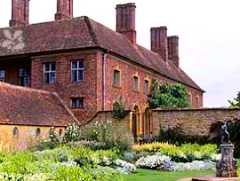
BARRINGTON
COURT GARDENS (NATIONAL TRUST)
Was
laid
out in the 1920s to designs by
architects Forbes and Tate for the
Lyle family who used basket-weave
bick paths & fine masonary in
walls & outhouses. In season
produce is tended in the walled
kitchen garden & used in the
Strode House restaurant.
|
 |
Barrington, Nr
Ilminster, Somerset
BARRINGTON
COURT
CLICK |
Tel :01460 241938
Fax
: 01460 242614
|
CHARD
ANTIQUES FAIR
This is held every Thursday in the
Guildhall
|
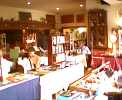 |
Guildhall
,
Fore Street,
Chard,TA20 1PP
|
|
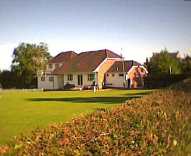
CHARD
CRICKET CLUB
|
|
George
Fields TA20
CHARD CRICKET CLUB
CLICK
|
01460
63829
|
|
CHARD MAIN CARNIVAL 2008
is on OCTOBER 11th.
Chard holds two magnificent
carnivals each year. People flock to Chard for
these carnivals. Somerset
Carnivals have been in existence for over 400
years & are considered as some of the
finest in the world. See our Wessex Index page
for dates of other Wessex carnivals. |
|
A Circuit around Chard
from 7.30pm
|
|
CHARD HOCKEY CLUB
Chard Hockey
Club was established in 1907 it now runs 4 Men's & 3 Ladies sides.
|
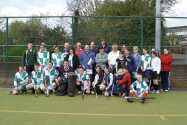 |
Pitch Holyrood School,
Zembard Lane, Chard, Somerset TA20 1JL
Email :chardhockeyclub@
cornerview.co.uk
CHARD
HOCKEY CLUB CLICK
|
tel:01460
62147 |
|
CHARD MARKET
is open every Saturday.
It is centred round the newly renovated
magnificent Guildhall.
People come in from all over the
area to buy local produce. Mouth-watering
fresh local food can be bought including
Bread, Cheeses, Fish, Fruit, Meat and
Vegetables.Bargains in clothes, flowers,
shoes, hardware, plants, videos, tapes,
electrical goods and animal foods are also
available. Get there early to get
the bargains. There are also
large multiple outlets of Tesco,
Lidl, Focus, Co-Operative, and
Somerfield open all hours here
as well as many interesting shops to
browse around. These are listed
in Chardnet's directory of businesses
and trades.
|
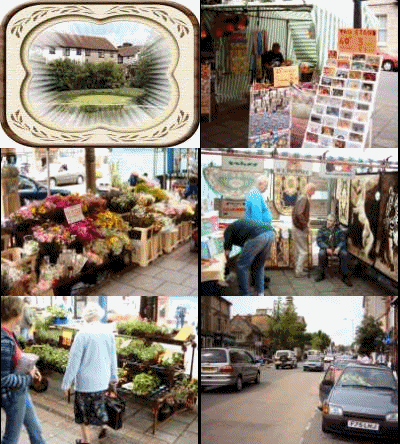 |
Fore
Street,Chard,TA20 1PP
|
|
|
CHARD
NATURE
RESERVOIR
The
reservoir
provides an exciting opportunity to
observe wildlife. Over 150 species of
birds. A two mile marked walk is in this
nature reserve.
|
 |
Oaklands Road,
Chard |
|
CHARD RUGBY CLUB
Chard Rugby Football Club was
founded initially in 1876 and reformed after
the Second World War. It is affiliated to
both the Rugby Football Union and the
Somerset RFU.
|
|
The Park,
Essex Close,
TA20 1RH
CHARD
RUGBY CLUB CLICK
|
tel :01460
62495 |
CHARD TOWN FOOTBALL CLUB
SCREWFIX DIRECT
WESTERN FOOTBALL LEAGUE FIRST DIVISION
|
|
Dening Sports Fields,
Zembard Lane,
Chard TA20 1JL
CHARD
TOWN
CLICK
|
01460 61402 |
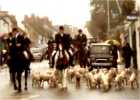
THE COTLEY HUNT on Boxing Day (
December 26th)
The
Cotley Hunt sets out from the centre of
Chard on Boxing day
|
|
Meets outside the Phoenix Hotel
Fore Street,
Chard,
TA20 1PH
|
|
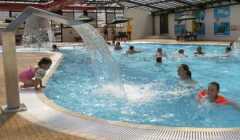
CRESTA LEISURE CENTRE &
KINGFISHER SWIMMING POOL
The
Chard leisure centre, which saw champion
Matthew Clay train there in his younger days,
has continued to improve its facilities over
the past four years, focusing more on fitness
for the younger generation, and spending a
massive £100,000 on refurbishment and new
equipment. With fit and active
clubs targeted at the eight to 15 age group,
and GP referrals directed to the centre, the
facility is key to the health and fitness of
the people of Chard.With two
squash courts, an indoor sports hall, swimming
pool, fitness room, and a wide selection of
activities to choose from, there is something
on offer for everybody.Mr
Patterson said: "We aim to get young people to
enjoy sport. If they enjoy sport then the
health benefits come naturally. Adults using
the gym get to work out with a variety of age
groups."
|
 |
Holyrood
Community School,
Zembard Lane, TA20 1JL |
01460
64084
|
|
CRICKET
ST.THOMAS
WILDLIFE PARK
Enjoy
a full day out in the scenic grounds
& experience the thrill of seeing
over 500 animals, some rare &
endangered species, including a pair of
Amur leopards.
|
 |
Cricket
St.Thomas,
Nr Chard
The
Wildlife Park is located 3 miles east of
Chard on the A30. Off junction 24 off the
M5
CRICKET
ST.THOMAS WILDLIFE CLICK
|
Tel :01460 30111 |
|
FERNE ANIMAL SANCTUARY
Visit
the animal enclosures, Nature Trail,
Picnic and Conservation areas. Tea Room
& Gift Shop Opens March 24th -
September 29th. Weds, Sat., Sun., &
Bank Holidays 2.00-4.45pm
URGENT SHREDDED PAPER REQUIRED FOR
ANIMAL BEDDING. PLEASE DELIVER TO THE
SANCTUARY OR OUR SHOPS IN EITHER
BRIDPORT OR TAUNTON. Our second
and third shops were opened at 16 East
Street, Bridport on 1st October 2012 and
at 1 Crown Walk, Taunton on Monday 15th
October 2012 by Freddy Ferne.
Thay have both got off to a great
start with many customers saying how
much they like the layouts.
|
 |
Wambrook,
Nr
Chard
FERNE ANIMAL SANCTUARY CLICK
|
Tel :01460 65214 |
|
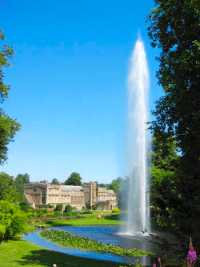
FORDE
ABBEY
&
GARDENS
"One of the Top Ten
Gardens in England" Maginficent 12th
Century house, 30 acres of gardens, plant
centre, gift shop, tea room, pottery
exhibition, forge. Gardens open daily
throughout the year 10.00-4.30. House open
1.00pm to 4.30pm on Tues to Fri,Sun &
Bank hols. 26th March to end October.
|
 |
Nr
Chard
Signposted
from
A30 between Chard & Crewkerne and from
the A358 between Chard & Axminster
FORDE ABBEY CLICK
|
Tel :01460 221290 |
|
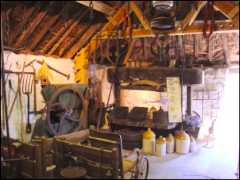
PERRYS CIDER WORKS
Traditional
cider mills with museum of farming
bygones. Take a nostalgic look at old
country life. Cider sampling in the farm
shop. |
 |
Dowlish Wake, Nr
Ilminster, Somerset
Set
in an attractive village with a packhorse
bridge. Follow the Cider Mill & Cart
signs.
PERRYS
CIDER
CLICK |
Tel :01460 52681
Fax
: 01460 54992
|
PHOENIX
FITNESS
Phoenix fitness, now in it’s 7th year is a
well established gym located in Chard,
Somerset. The proprietor Simon Lunn has
overseen the gym’s development from the out
set.Phoenix Fitness was originally based at
Millfield Industrial Estate (from 2001-2007)
and has recently moved to a new larger
premises which is located at Fore Street.The
new gym is a purpose built gymnasium
comprising of 2 floors, downstairs hosting a
fitness suite, and a ladies only suite,
Upstairs is host to fully equipped free
weights gym, studio floor, changing rooms and
showers all of which are fully air
conditioned.
Phoenix fitness caters for everyone from
beginners to advanced, with male and female
trainers on floor and always available.Phoenix
fitness specialise in weight management,
nutritional advice, rehabilitation, training
support and motivation. We also cater for
physiotherapy and chiropractic
referrals.Personal trainers are on hand and
are free.
|
 |
Fore
Street, TA20
next to Chard Ford
PHOENIX
FITNESS
CLICK
|
01460
64144
|
|
SOMERSET
JEWISH
SOCIAL & CULTURAL GROUP
We are a growing group. We've been
together for about one year and there are
approximately 30 people in the group -of all
ages, singles, couples, and some with
partners of other faiths. We vary in our
levels of observance, but we all 'click'
very well, and we love to welcome new
members -I guarantee you'll have a great
time! Our aim appears to be socialising,
nosh and talks from group members.
|
 |
Contact
: Jane Warner,
email
janecarolewarner@hotmail.com |
Tel
No 01823 289085 |
|
VIRGIN
HOT AIR BALOONING
lminster provides the perfect
launch site for your Virgin hot air balloon ride
in the countryside of south Somerset. This
charming market town lies half way between
Yeovil and Taunton, close to the A303, and takes
its name from the 15th Century Minster church
and the nearby River Ile. Well known for its
striking architecture, Ilminster’s church is one
of the most noticeable of all. Its perpendicular
structural design and ornate stained glass make
it a beautiful building which stands tall above
the market squares medieval patterned streets.
Described as Ileminstre meaning 'The church on
the River Isle', the town is noted in the
Doomsday book of 1086, although records of
Ilminster date as far back as 725. What passes
beneath your basket will depend on the wind. It
may be south west to Herne Hill which offers
extensive views over the charming market town
and the Ile valley or north of the Minster
Church lays a collection of mellow ham stone
buildings known as Court Barton. This
architectural album consists of the Chantry,
Cross House and the old Grammar School founded
in 1459. Flying from Ilminster and seeing
Somerset form the sky guarantees you a truly
memorable flight and a warm welcome in this
beautiful and historic town.
|
 |
Ilminster
launch site:-
The Eagle Tavern
Buckland St. Mary
Chard
TA20 3JE
The Eagle Tavern can be found on the right hand
side of the A303 after approximately 3.5 miles
heading west from the Ilminster roundabout
(where the A358 joins the A303).
The pub can be seen clearly from both directions
by the junction for Buckland St Mary.
NB: Beware of the speed camera on the junction.
VIRGIN
HOT
AIR BALOONING CLICK
|
Phone
01952 212750
|
WINDWISTLE
GOLF,SQUASH & COUNTRY CLUB
Located in the beautiful Somerset
countryside with outstanding elevated views
in all directions. Windwhistle Golf Club
extends a warm welcome to all.
|
 |
Cricket
St.Thomas
TA20 4DG
WINDWISTLE
GOLF CLUB CLICK
|
01460
30231 |
CREWKERNE
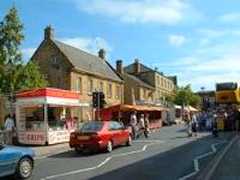
An important town since
before the Norman Conquest with many fine
old buildings and a magnificent 15th
century church. A most attractive old
stone-built country town set in the
beautiful South Somerset hills, near the
Dorset border and within easy reach of the
coast. Thought it possesses modern
industries, which contribute to the busy
and lively atmosphere, these do not
intrude on the old part of the town. Crewkerne is justly proud
of its heritage, having its origins in
Saxon times, over a thousand years ago.
Discover its history in the Heritage
Centre or explore its antiques and
bookshops.Swim or
workout in the new fitness suite at the
Crewkerne Aqua Centre or visit Bincombe
Beeches nature reserve.
|
|
|
|
|
ART
BENATTAR CRAFT
Art
and craft. Work
from 100 artists
in every media
displayed in five
rooms. Cafe.
|
|
31
Market
Square,
Crewkerne
, TA18 7LP
NO
WEBSITE
|
Tel:
01460 77780 |
|
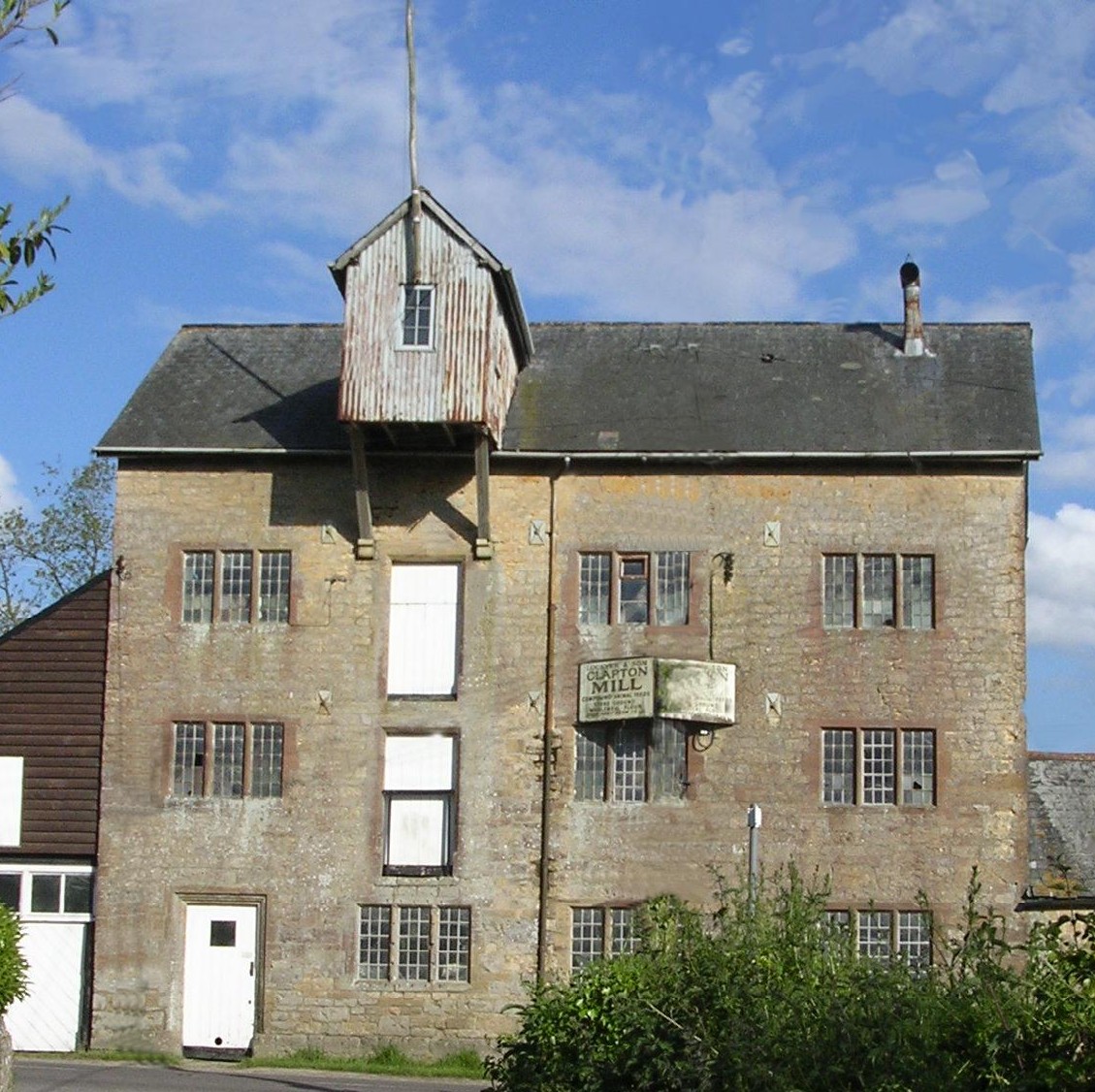
CLAPTON MILL
Historic
watermill with a host of unique features
including hydro generation. Tearoom, mill
tours. Open Friday, Saturday and Sunday 10am
- 5pm.
|
|
Clapton,
Crewkerne
TA18 8PU
CLAPTON
MILL CLICK
|
Tel:
01460 72142 |
CREWKERNE AQUA
CENTRE
|
|
|
|
|
CREWKERNE
MUSEUM
Crewkerne
has a long and interesting history - its
status as a Saxon royal Mint, its importance
as a stopping place for travellers, and its
prosperity based on the textile industry.
The ancient Roman hill fort of Ham Hill is a
few miles distant, and the town's more
important buildings were constructed of
stone quarried from the hill. There were
some well-known personalities associated
with the town. Admiral Hardy was educated a
few hundred yards from the museum, and sail
cloth for his fleet, including the Victory,
were manufactured in the town. Founded in
1988, the Museum illustrates these things,
but equally shows how ordinary local people
lived and worked at various periods. Some of
the latest graphic techniques are used to
enliven the displays. Many aspects of local
history are explored - industries, commerce,
religion, education and domestic life. Of
particular interest is the display regarding
the history of Bryants' Bakery, (new in
2008) the model of Admiral Hardy and the
traditional kitchen. We hope children will
enjoy the St. Bartholomew's Church puzzle,
puzzles and weaving, the prisoner in his
cell and the quiz. Changing displays of
photographs and other items from our
collection or on loan are on view in the
exhibition room. An important activity in
the museum is the ongoing conservation and
storage of artefacts. Volunteers have
carried out a complete audit of the museum
collection. items are numbered, their
condition and any marks noted, and probably
most importantly their location recorded.
With over 2000 items in the collection, it
was fast becoming a headache to recall where
everything was, and the items not currently
needed for display are carefully re-packed.
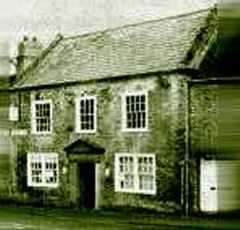
|
|
Market
Square,
Crewkerne TA18 8AL
CREWKERNE
MUSEUM CLICK
|
Tel: 01460
77079 |
ILMINSTER
|
|
|
|
|
BARRINGTON
COURT GARDENS (NATIONAL TRUST)
Was
laid
out in the 1920s to designs by
architects Forbes and Tate for the
Lyle family who used basket-weave
bick paths & fine masonary in
walls & outhouses. In season
produce is tended in the walled
kitchen garden & used in the
Strode House restaurant.
|
|
Barrington,
Nr Ilminster, Somerset
Map
BARRINGTON
COURT
CLICK
|
Tel :01460 241938
Fax
:
01460 242614
|
|
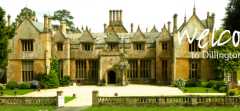
DILLINGTON
HOUSE
Dillington
House
hosts a number of taster days and
residential courses including silk painting,
photography, creative writing, family
history, music appreciation, and many more.
|
|
Ilminster
TA19 9DT
Dillington House
|
Tel:
01460 52427 |
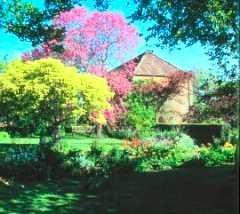
EAST LAMBROOK COUNTRY GARDEN
This internationally
famous Grade1 listed English Cottage
Garden was designed by the late
gardening icon, Margery Fish. Houses
the National Collection of Geraniums..
The 17th century malthouse has
homemade lunches, teas, art gallery
& specialist plant sales. |
 |
Nr South
Pemberton, Somerset
EAST
LAMBROOK CLICK
|
Tel :01460 240328
Fax
:
01460 242344
|
PERRYS CIDER WORKS
Traditional
cider mills with museum of farming
bygones. Take a nostalgic look at old
country life. Cider sampling in the farm
shop.
|
|
Dowlish Wake, Nr Ilminster,
Somerset
Set
in
an attractive village with a packhorse
bridge. Follow the Cider Mill & Cart
signs.
PERRYS CIDER CLICK
|
Tel :01460 52681
Fax
:
01460 54992
|
TimeTeam at Whitestaunton Manor
Whitestaunton Manor, near Chard, was the
setting for a TimeTeam investigation carried out in
2003.
The manor itself dates from the 16th
century but some remains in its grounds were
believed to be the site of a Roman bath house which
might have been associated with a villa.
|
RESTAURANTS
IN THE CHARD AREA
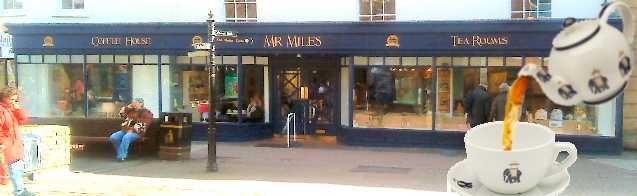
 Welcome
to Mr Miles. Welcome
to Mr Miles.
Just
opened in Taunton High Street. The
world renowned coffee & tea
merchants D.J.Miles of Porlock &
Minehead have opened a magnificent
new Coffee House and Tea Rooms. Is
this Taunton's answer to Betty's of
Harrogate? After two days open
there are queues waiting to get a
table. How lovely to have the lovely
aroma of coffee roasting. We are
sure this will become a mecca for
not only ladies who lunch but also
the visitors and tourists to
Taunton. Relaxed and sipping the
wonderful array of coffees and teas-
pinkies in the air. It is also a
shop to buy tea, coffee, chocolate
and an array of gifts.This is a
traditional family business based in
the heart of Somerset. Their
unique business is devoted to rare
and mouth-watering exclusive
coffees and fine
teas, now
available to buy
online.
|
|
RESTAURANTS
IN
CHARD AREA
|
Address
|
Tel No
|
Fax
|
Email
|
Comment
|
|
Restaurants
in and near Chard + "Bunters"
|
For orgasmic
gourmet click here onto Restaurants
with Michelin Stars in Wessex
|
|
|
|
Click here to
contact us |
Bath House
Restaurant
Oriental Aroma Chinese
|
 Holyrood Street
Chard, TA20 2AH
Holyrood Street
Chard, TA20 2AH
|
01460 67575
|
01460 64106
|
|
Chinese & Thai food &
takeaway A bustling Chinese & Thai
restaurant. We have had varying reports
ranging from excellant down to average.
However all say staff were friendly and
helpful.
|
Bellplot House
Restaurant
|
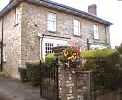 High Street,
Chard, TA20 1QB
High Street,
Chard, TA20 1QB
|
01460 62600
|
01460 62600
|
bellplothouse
hotel
@talk21.com
|
No
reports
as
always full when we tried to book a table
|
Candlelight Inn
Silly Steaks- Sunday Roasts & Salads-
Light Luncheons
|
Bishopwood TA20
3RS
|
01460 234476
|
|
|
No
reports
|

Chan's Chinese Restaurant
Peking & Cantonese Cuisine
|
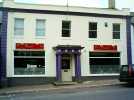
Old Brewery House,
21 High Street,
Chard, TA20 1QF
|
01460
261882
|
|
|
Eat
in or Take-Away
New to Chard. Very tasty Chinese meal in
pleasant ambience
|
|
Dolphin Inn Pub
|
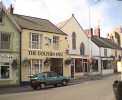 Fore Street,
Chard, TA20
Fore Street,
Chard, TA20
|
01460 63424
|
|
|
No
reports received
|
The Gallery
Art Gallery/ Restaurant
A new and
different restaurant in the centre of Chard.
Behind "Hooked on Books" bookshop. Good Jazz
and other evenings. Book early. David
Barnes. the Chef< and John Hook will make
you feel ats if you are enjoying a real
gourmet meal in your own home. If you are in
the area this is a rear not to be missed. Be
sure to book first
|
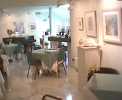
4 Hollyrood Street
Chard,TA20 2AH
|
01460 61010
|
|
|
The
meal was well cooked and presented well by
the excellant hosts John Wood and David
Barnes. |
The
Haselbury
Mill
Ltd
|
Mill
House,
Haselbury Plucknett,
Crewkerne.
Somerset.TA18 7NY.
|
01460
77095
|
|
|
No
reports
|
Restaurant
www.
hornsburymill.co.uk
Probably the most beautiful
setting in the South West. A tranquil
lakeside,river and garden location set in
14 acres. From a quiet pint to a 500 guest
function.
|
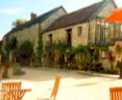
Eleighwater, Chard, TA20
3AQ |
01460 63317
|
01460 63317
|
info@
hornsburymill.co.uk
|
The
atmosphere looking at the old mill wheel
turning was as good as an excellant meal. The
service was good and attentive. |
|
HR Select Cafe &
Restaurant
A lively coffee
shop and licensed bar is at the heart of the
cafe which also serves traditional English
breakfasts, snacks and home-cooked european
specialities. A separate seated restaurant
area provides a more intimate setting for
dinner.
|
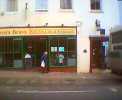
1-3 Fore Street
Chard, TA20 1PH |
01460
66113
|
01460 66113
|
luis@
hrselect
solutions.
co.uk
|
Portuagese
cuisine + Spanish Tapas & Pizzas. Also an
hotel. Popular with local Portuagese workers |
Ips
Palace
Chinese Restaurant
|
145
South
St,
Crewkerne,
TA18 8AD
|
01460
72385
|
|
|
No
reports
|
Kempters
Restaurant
|
Lower
Street,West
Chinnock,
Crewkerne, TA18 7PT
|
01935
881768
|
01935
881768
|
|
No
reports
|
Lordleaze Restaurant
|
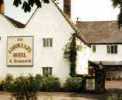 Forton Road,
Chard, TA20 2HW
Forton Road,
Chard, TA20 2HW
|
01460 61066
|
01460 66468
|
lordleaze@
fsbdial.co.uk
|
Our
testers found the food very tasty and
imaginative. Only they felt that their
children were not very welcome. |
|
The Old Mexican Restaurant
18a Lower Middle St
Taunton
Somerset
TA1 1SH
Tel: 01823 350291
|
|
|
|
|
The
Old Monmouth Restaurant
|
12
Church
St,
Lyme Regis.
Dorset. DT7 3BS.
|
01297
442456
|
|
|
No
reports
|
Phoenix Hotel
Restaurant & Bar
www.the-
pheonixhotel
.co.uk
Weekend
Roasts
|
 15 Fore Street,
Chard, TA20 1PH
15 Fore Street,
Chard, TA20 1PH
|
01460 66444
|
01460 66692
|
jenny@
the-pheonix
hotel.co.uk
|
Typical Pub Meals
Good value meals here.
Especially Sunday Roast. |
Prince
Of Bengal
Indian Restaurant
|
6
East Street, Crewkerne, TA18 7AB
|
01460
271021
|
|
|
No
reports
|
|
Rajpoot Tandori
Balti House
|
12 Silver Street
Ilminster
TA19 0DJ
|
01460 55150
|
|
|
No
reports received
|
Chard Rani Indian
Restaurant
|
3 High Street
Chard, TA20 1QF
|
01460 68828
|
|
|
Eat
In or Take away.
Get rid of that sickly green paint in the
restaurant.
|
Shrubbery Hotel
Restaurant
www.shrubbery
hotel.com
|

Station Road
Ilminster
TA19 9AR
|
01460 52108
|
01460 53660
|
stuart@shrubbery
hotel.demon.co.uk
|
No
reports received
|
Gandhi Indian
Restaurant
Tandoori, Full Restaurant & Takeaway
service. Fully Licensed. & Vegitarian
Dishes
|
38a Fore Street, Chard,
TA20 |
01460 61141
|
|
|
Our
Indian
reporter
was suitably impressed by the authentic and
tasty cuisine. The restaurant is an old church
which lacks a bit of atmosphere.
|
|
Thatchers Licensed
Restaurant
|
Donyatt
TA19 ORG
|
01460 53210
|
|
|
No
reports received
|
The
George Hotel
The
current owner Frank Joyce, purchased the Hotel
in 1994, and proudly continues the tradition
whilst improving facilities to meet the
requirements of the modern traveller.Our local
chef makes all the home cooked food especially
her mouth-watering sweets, using local produce
where possible.
|
39 Market Square, Crewkerne, TA18 7LP
|
01460
73650
|
01460
72974
|
georgecrewkerne
@btconnect.com
|
No
reports received
|
|
The George Hotel
|
North Street
Ilminster
TA19 0DG
|
01460 55515
|
|
|
No
reports
received |
Tiger
Chan
|
1
Abbey St,
Crewkerne.
Somerset. TA18 7LF.
|
01460
72255
|
|
|
No
reports
|
Warners
Cricket St.Thomas Restaurant
www.warnerholidays.
co.uk
|
Cricket St.Thomas
Chard,TA20 4DB
|
01460 30111
|
01460 30817
|
|
No
reports received
|
White
Lion Carvery
|
North
St,
Crewkerne,
Haselbury Plucknett, TA18 7RJ
|
01460
78873
|
|
|
No
reports received
|
CAFE'S
IN CHARD AREA
|
Address
|
Tel No
|
Fax
|
Email
|
Comments
|
| Cafes |
|
|
|
|
|
Bilbys
Cafe
& Takeaway
Sandwich
Bar
|
Stringfellows
Gallery,
Holyrood Street, TA20
|
01460
66488
|
|
|
*
In a hurry ?
Phone your order by
11am and Bilbys will have it
waiting for you.
Unfortunately Bilby's meals
are limited as cooking is
not allowed on the premises
so hot meals are madfe
elsewhere & just heated
.
|
|
Burger
King
|
A303
Southfields Roundabout
Horton
Cross
Ilminster
|
01460
54699
|
|
|
|
Cafe
Girasol
Cafe
& Delicatessen
www.mcaholdings.
com.uk
|
17
Fore Street
Chard, TA20 1PP |
01460
68173
|
0207 976
4320
|
rdacosta@
mcaholdings.com.uk
|
Part
of MCA services holdings ltd-
other cafe Mocas in London's
West End & St.Johns Wood |
Carolyn's
Coffee
Shop, Crewkerne.
|
9 The George Shopping
Centre,
Crewkerne.
Somerset.
TA18 7LU.
|
01460 76965
|
|
|
|
|
Hillside
Cafe
|
Ham Hill,
Combe St.Nicholas,
TA20
|
01460
234467
|
|
|
|
Hurle
House
www.hurlehouse.co.uk
/restaurant.htm
|
9 West Street,
Crewkerne,
TA18
8AX
|
01460
74860
|
01460
74860
|
jeff@
hurlehouse.co.uk
|
|
|
Julia's
Café
|
4a Ditton
Street
Ilminster
TA19
OBQ
|
01460
52231
|
|
|
|
|
Mad
Monkey Cafe
|
12a
Millfield, TA20
|
01460
68484
|
|
|
|
Meeting
House
www.
meetinghouse.
co.uk
|
East
Street
Ilminster
TA19
0AN
|
01460
55783
|
|
info@
meeting
house.co.uk
|
|
Minstrels
Coffee Shop
|
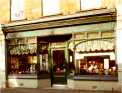
14
Silver Street
Ilminster
TA19
0DJ
|
01460
57050
|
|
steve@minstrels
coffeeshop.
fsnet.co.uk
|
|
Mollies
|
9 East St,
Ilminster.
Somerset.
TA19 0AJ.
|
01460 55115
|
|
|
|
Secret
Garden Cafe
|
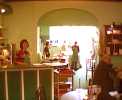
19
Holyrood Street TA20
|
01460
61864
|
|
|
***
All
food
freshly prepared and cooked to
order. Weekend roasts
You may have
to wait a while but is is
worth it.
|
|
Welcome
Bap
|
9
Holyrood Street, TA20
|
01460
64447
|
|
|
|
FISH & CHIP SHOPS
Business
|
Address
|
Tel No
|
Fax
|
Email
|
| Fish & Chip Shops |
|
|
|
|
|
Golden
Ocean
|
19 West
Street
Ilminster
TA19
9AA
|
01460
53431
|
|
|
|
Lucky
Fish
Bar
|
21
High
Street
Chard,
TA20
|
01460
68228
|
|
|
|
Vincents
Fish Bar
|
32 Ditton
Street
Ilminster
TA19
0BQ
|
01460
52875
|
|
|
|
Webbers
|
Victoria
Avenue
Chard,
TA20
|
01460
63693
|
|
|
|
West
Street Fish & Chip Shop
|
6 West
Street
Ilminster
TA19
9AA
|
01460
52743
|
|
|
Whites
Fish & Chip Shop
Eat
In or Takeaway
|
Boden
Street Chard, TA20
|
01460
63150
|
|
|
TAKE-AWAYS
Business
|
Address
|
Tel No
|
Fax
|
Email
|
|
Food
Take-away
|
|
|
|
|
|
BFC
Chicken
|
19
High Street TA20
|
01460
67198
|
|
|
Bonners
The Butchers
For a
quick lunch why not try one of
our famous sandwiches,
baguettes or granary rolls,
fresh every day
|
37 Silver
Street
Ilminster
TA19
0DW
|
01460
52465
|
01460
52465
|
capsbonner@msn.com
|
Boss Hogs
Free
delivery
( min order :£4.95)
pizzas,jacket potatoes,
Burgers, Baps, Soft
drinks & Gateaux.
www.bosshogspizza.co.uk
|

6
Willoughby
Place,Millfield,TA20
|
01460
66767
|
|
|
|
Mayflower
Chinese
|
5
High Street TA20
|
01460
68008
|
|
|
|
Punar
Kebab
|
19
High Street TA20
|
01460
67198
|
|
|
|
Raj Poot
|
12
Millfield Industrial Estate,
TA20
|
01460
66776
|
|
|
|
Chard Rani
Indian
|
3
High Street TA20 1QF
|
01460
68828
|
|
|
Sara's
Dairy
Takeaway
sandwiches,
made
to order (both hot and cold)
with a help yourself salad
bar.
|
5 Silver
Street
Ilminster
|
01460
52502
|
01460
52629
|
|
PUBLIC HOUSES
Business
|
Address
|
Tel No
|
Fax
|
Email
|
|
Public
Houses
|
|
|
|
|
Bell &
Crown Inn
Good Food
Good Beer
Good Company
|
Combe
Street , Chard, TA20 1JP
|
01460
62470
|
|
|
The Bell at
Winsham
A good village pub offering
4 real ales and fine wines in
a traditional Cosy atmosphere
|
Winsham,
Chard,TA20
|
01460 30677
|
|
|
The Bell
Inn
www.the-bell-inn-
broadway.com
Steaks,chops, Sunday
lunches- music nights.
|
Broadway
TA19 9RG
|
01460 52343
|
01460 52343
|
gknight55@
hotmail.com
|
|
The Bell
Inn
|
High Street
Ilminster
TA19 9AW
|
01460 52538
|
|
|
Candlelight
Inn
Silly Steaks- Sunday Roasts
& Salads- Light Luncheons
|
Bishopwood
TA20
3RS
|
01460
234476
|
|
|
Chough's
Pub
|
High Street, Chard, TA20
|
01460 63266
|
|
|
|
The Crown
Inn
|
West Street
Ilminster
TA19 9AB
|
01460 52782
|
|
|
|
The Dolphin
|
22 Silver Street
Ilminster
TA19 0DR
|
01460 57904
|
|
|
|
Dolphin Inn
Pub
|
Fore Street, Chard,
TA20 |
01460 63424
|
|
|
|
The Duke of
York
|
North
Street
Shepton Beauchamp
TA19 0LW
|
01460
240314
|
|
|
|
Eagle
Tavern
|
Buckland St
Mary, Chard, TA203JE
|
01460234292
|
|
|
|
The Five
Dials Inn
|
Goose Lane
Horton
TA19 9QQ
|
01460 55359
|
|
|
|
The Furnham
Inn
|
Furnham
Road,
Chard, TA20
|
01460 62415
|
|
|
|
The George
Hotel
|
North
Street
Ilminster
TA19 0DG
|
01460 55515
|
|
|
|
The George
Inn
Come & relax
in our snug restaurant |
Chardstock,
TA20
|
01460
220241
|
|
|
|
The George
Inn
|
Chard Road
Donyatt
TA19 0RW
|
01460 52849
|
|
|
|
Golden
Fleece
|
Perry
Street, Nr Tatworth, TA20
|
01460
220285
|
|
|
Happy Return
Food
is served Monday-Sunday
12.00pm-2.00pm &
7.00pm-9.30pm Average cost of
a main course is between £5
& £10. here is a non
smoking section of the dining
area. Credit Card payments are
accepted.
Winner
of Pie of the Century in
1996. A must for pie lovers
|
East
Street , Chard
TA201EP
|
0146063152
|
01460
63152
|
|
|
Haymaker
Inn
|
Wadeford,
Chard,
TA20
|
01460
64161
|
01460
64395
|
|
|
Kings
Head
|
Church
Street, Chard, TA20
|
01460
63200
|
|
|
Lord Poulett Arms
Food is served Tuesday-Saturday
12.00pm-2.00pm & 7.00pm-9.00pm
Sunday 12.00pm-2.00pm
Average cost of a main course is
between £5 & £10
Credit Card payments are accepted
|
High St, Hinton St George Nr
Crewkerne TA17 8SE
|
01460 73149
|
|
|
|
The Lord
Nelson Inn
|
120 Station
Road
Ilminster
TA19 9BL
|
01460 52532
|
|
|
|
New Farm
Restaurant
|
Over
Stratton
South Petherton
TA13 5LQ
|
01460
240584
|
|
newfarm@
supanet.com
|
 New Inn New Inn
Food
is served Monday-Saturday
12.00pm-2.30pm &
6.30pm-9.30pm
Sunday
12.00pm-2.30pm
Average
cost
of a main course is between £5
& £10. Credit
Card
payments are accepted
|
Dowlish Wake, Ilminster
TA19 ONZ
|
01460 52413
|
|
|
The Old
Barn Owl Inn
www.theoldbarn
owl.co.uk
A country inn where you can
relax & enjoy good food
& fine wine in convivial
company
|
Westport
Ilminster
TA10 0BH
|
01460
281391
|
01460
281995
|
birdmen2@aol.com
|
Poppe Inn
Just south of
Chard, on the A358 Axminster
road, you will come to The
Poppe Inne on the right.
This is a delightful old 15th
century inn built in 1485 and is
one of the oldest public houses in
Somerset. It has a fine old
skittle alley and lots of
character.
|
South Chard TA20
|
01460
220260
|
|
|
The Railway Tavern
|
South
St, Crewkerne, Somerset, TA18
8AE
|
01460 73270
|
|
|
|
Royal Oak
|
Barrington
TA19 0JB
|
01460 53455
|
|
|
|
Royal Oak
Inn
|
The Cross
Ilminster
TA19 0EH
|
01460 55657
|
|
|
|
Ship Inn
|
Furnham
Road, Chard, TA20
|
01460
65485
|
|
|
Square
& Compass
Situated between
Taunton and Ilminster, and within
easy reach of both.Situated
between Taunton and Ilminster, and
within easy reach of both.The
pub is a well-known destination
for those seeking home cooked food
and employs fully
qualified chefs with an emphasis
on quality in a very relaxed
atmosphere.
www.squareandcompasspub.com/
|
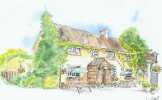
Windmill Hill
Ashill
TA19 9NX
|
01823
480467
|
|
|
|
Squirrel
Inn
|
Laymore Nr
Winsham, Chard, TA20 4NT
|
01460
30298
|
|
|
Stagecoach
Inn
www.stagecoach
-inn.co.uk/
|
Station Road
Crewkerne
TA18 8AL
|
01460-72972
|
01460-77023
|
info@
stagecoach-
inn.co.uk
|
The Swan Inn
|
4
Church Street, Crewkerne,
Somerset, TA18 7HR
|
01460 74198
|
|
|
Volunteer
Inn
A
200 year old pub, serving food
7 days a week from traditional
to continental. Cask marquee
approved real ales, B&B
two en-suite rooms. Beer
garden. Just off the main A303
trunk road near South
Petherton and Ilminster. Ideal
for the Jurassic Coast.
|
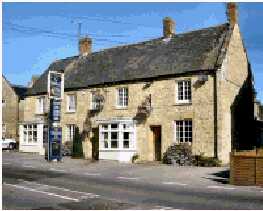
New Road, Seavington St.Michael
TA19 0QE
|
01460
240126
|
|
info@thevolly.co.uk
|
|
White Horse
Inn
|
9 Bay Hill
Ilminster
TA19 0AT
|
01460 54616
|
01460
259091
|
twjewilliamson
@supanet.com
|
Windwhistle
Inn
Tasty
weekend carvery and a la
carte restaurant. Inside and
Outside.
Food is
served Monday-Saturday
11.00-2.00 & 7.00-10.00 Sunday
12.00-10.00
.Book a table in
advance.
Children are
welcome if dining under
responsible adult supervision.
There is a childrens menu
On A30
between Chard &
Crewkerne
There is Disabled
access and toilet facilities
|
Cricket St Thomas,
Chard , TA204DQ
|
0146030229
|
|
A
must for Sunday lunch - We have
had many good reports about this
restaurant.
|
|
Wyndham
Arms
|
Ilton
TA19 9EY
|
01460 52164
|
|
|
HOTELS IN CHARD AREA
|
Rip Van Winkle
slept for 100 years. Now that
needs a comfortable bed and
the right atmosphere. So now
we are awarding Rips for
Hotels, Guest Houses and Bed
& Breakfasts who give
outstanding comfort for their
guests.
|
6
5
Business
|
Pictures
|
Address
|
Tel No
|
Fax
|
Email
|
|
Hotels
|
Stay inThe Ancient
Capital of Wessex
|
Chard , Crewkerne
& Ilminster
|
|
|
Rips |
Bath House
Hotel &
Restaurant
A lovely Chinese restaurant with
comfotable rooms
www.s-h-systems.co.uk/hotels/bathhse.html
|
|
Holyrood
Street, Chard,
TA20 2AH
|
01460 67575
|
01460
64106
|
|
Bellplot House
Hotel
WWW
 MAP MAP 
BOOK ONLINE
Beautiful Grade II
listed Georgian townhouse. Only
Hotel in the centre of Chard
with own private carpark &
WIFI. Relax & enjoy elegant
surroundings, friendly service,
AA Rosette food, award winning
Breakfasts 'Taste of the West'
|
|
High Street,
Chard,
TA20 1QB
|
01460 62600
|
01460 62600
|
info@
bellplothouse.co.uk
|
Warners
Cricket St.Thomas
Hotel
WWW
MAP
BOOK
ONLINE
Cricket St Thomas is a
splendid example of 18th century
architecture. This Grade II
listed building is set among the
scenic and tranquil countryside
of Somerset.
|
|
Cricket St.Thomas,
Chard,
TA20 4DB
|
01460
30111
bookings: 0870 601
6012
|
01460 30817
|
|
Dolphin Inn
A friendly pub
with reasonable accomodation in
the centre of Chard
|
|
Fore Street,
Chard,
TA20
|
01460 63424
|
|
|
George Hotel
A
famous coaching inn with an
intresting history. Quality
and frindly service, well
furnished rooms and home
cooked food. Special breaks
available all year. All major
credit cards accepted.
|
 |
Market Square
Crewkerne TA18 7LP |
01460 73650
|
01460 72974
|
|
Hornsbury Mill
Welcome to Hornsbury
Mill, a charming 19th Century
watermill set deep in the heart of
Somerset, where contemporary
capability blends effortlessly
with tradition. Five acres of
beautiful informally landscaped
water gardens form the perfect
backdrop to the delightful Mill.
www.hornsburymill.co.uk
|
|
Eleighwater,
Chard,
TA20 3AQ
|
01460 63317
|
01460 63317
|
info@
hornsburymill.co.uk
|
HR Select Hotel
A
Friendly Hotel in the centre
of Chard run by a delightful
Portugese family. You don't
have to go to the Algarve to
sample Portugese hospitality.
Continental cuisine
www.hrselectsolutions.co.uk
|
|
1-3 Fore
Street ,
Chard,
TA20 1PH
|
01460 66113
|
01460 66113
|
luis@
hrselect
solutions.
co.uk
|
Lordleaze Hotel
WWW
MAP
BOOK ONLINE
The Lordleaze Hotel is
a delightfully converted 18th
century farmhouse set in rural
surroundings. The secluded
surroundings of Lordleaze Hotel
is a perfect location for those
seeking peace and tranquility.
www.lordleazehotel.co.uk
|
|
Forton Road
,
Chard,
TA20 2HW
|
01460
61066
|
01460 66468
|
lordleaze@
fsbdial.co.uk
|
The Manor Arms
WWW
MAP
BOOK
ONLINE
The Manor Arms has
been lovingly restored,
retaining much of its old world
character. The Manor Arms is
renowned for its excellent
cuisine, comfort and ambience.
|
|
North Perrott,
Crewkerne,
TA18 7SG
|
01460 72901
|
|
|
Phoenix
Hotel
Large family run
public house/Hotel in Chard Town
centre. Value for money home
made food available 10am -
8.30pm every day. Large main bar
with live music every Thursday
and some Friday nights.
Victorian Ballroom now housing a
state of the art Disco on friday
and saturday nights, complete
with laser show
|
|
15 Fore Street,
Chard,
TA20 1PH
|
01460 66444
|
01460 66692 |
jenny@
the-phoenix
hotel.co.uk
|
Shrubbery Hotel
WWW
MAP
BOOK ONLINE
The Best Western
Shrubbery hotel in South
Somersetis an elegant Victorian
hotel owned and run by the
Shepherd family for over 40
years. The building with many
fascinating feactures stands in
over 2 acres of lawns and
shrubberies and a 25 metre
outdoor heated pool.
www.shrubberyhotel.com
|
|
Station Road
Ilminster
TA19 9AR
|
01460 52108
|
01460 53660
|
stuart@
shrubbery
hotel.
demon.co.uk
|
Travelodge
In
addition to our standard
facilities, this hotel features:
Little Chef &
Burger King
|

|
A303 Southfields
Roundabout
Horton Cross
Ilminster
TA19 9PT
|
01460 53748
|
01460 53748
|
|
GUEST HOUSES IN THE CHARD AREA
|
Business
|
Picture
|
Address
|
Tel No
|
Fax
|
Email
|
Guest
Houses and B&Bs
|
Stay inThe
Ancient
Capital of Wessex
|
|
|
|
|
Ammonite
Lodge
&
Tea
Rooms
Come
and enjoy 300 years of
ambience and character at our
Grade II listed guest house.
Awarded Four Stars under
VisitBritain National Quality
Assurance Standard we are able
to offer guests a very high
standard of accommodation and
cleanliness. Allison
and David look forward to
being able to welcome you to
our lovely home making
your stay both comfortable and
enjoyable.
|
|
43
High Street TA20 1QL
|
01460
63839
|
|
|
At
Home @
Glebelands
"A
home from home"
Vegetarians
Welcome
Non-
Smoking
|
|
1 Forton
Road,
TA20 2HJ
|
01460
62028
|
|
wizoz@
onetel.net.uk
|
|
Barns
Owl Cottage
|
|
Chardstock
EX13
7BY
|
01460
220475
|
|
|
Beaconhill
Cottage
|
|
Chardstock
EX13
7LB
|
01460
220065
|
01460
220065
|
katrina_felgate
@btinternet.com
|
|
Bere
Farm
|
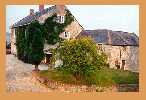
|
Bere
Farm
Winsham TA20
|
01460
30207
|
|
John@berefarm.
freeserve.co.uk
|
|
Berryfields
|
|
6
Forton TA20
|
01460
68894
|
|
|
Crawley
Farm
|
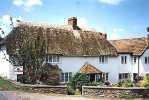
|
Crawley
Farm, Yarcombe,
Honiton,
Devon
EX14
9AY
|
01460
64760
|
|
|
|
Green
Dragon
|
|
Combe St
Nicholas,
TA20
3NG
|
01460
63311
|
|
heltrev@AOL.com
|
The Firs
|
www.4tourism.com/uk/
chard.html
#01460234226
|
Crewkerne
Road,
Cricket St Thomas,
TA20 4BU
|
01460
65646
|
01460
65646
|
|
|
Harvey
|
|
22
Ashfield,
Forton
Road,
TA20 2HP
|
|
|
|
Hawthorne
House
|
|
Bishopswood,
TA20
3RS
|
01460
234482
|
01460
234482
|
roger-sarah@
supmnet.com
|
|
Haymaker
|
|
Wadeford,
TA20
3AP
|
01460
64161
|
|
|
Higher
Beetham Farm
()
|
|
Whitestaunton
TA20
|
01460
234460
|
01460
234450
|
|
|
Hillcrest
Farm
|
|
Eleighwater TA20
|
01460
65515
|
|
|
Hillside
|
www.theaa.co.uk/
region8
/103591.html
|
Buckland
St.Mary TA20 3TQ
|
01460
234599
|
|
royandmarge@
hillsidesm.
freeserve.co.uk
|
|
Home
Farm
|
|
Hornsby
Hill TA20 3DB
|
01460
63731
|
|
|
|
Howley
Tavern
|
|
Howley,
TA20 3NG
|
01460
62157
|
|
|
Keymer
Cottage
(
|
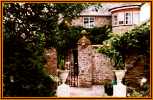
|
Buckland
St.Mary
TA20 3JF
|
01460
234226
|
|
|
Leigh
House
Self-catering
|
|
Winsham TA20
|
01460
30318
|
01460
30798
|
|
Manor
Farm
|
|
Dunsham
Lane, Wayford, Nr Crewkerne,
TA18 8QL
|
01460
78865
|
01460
78865
|
|
The Lord
Poulett Arms
|
|
Hinton
St. George,
Near Crewkerne,
Somerset,
TA17
8SE
|
01460
73149
|
01460
73149
|
lordpoulett
@aol.com
|
Pulleys
Barn
Self
catering barn
accommodation.
|
|
Higher
Wambrook, TA20 3DF
|
01460 62583
|
|
|
Tudor House,
Doss House,
Groups Welcome
in Stable Area
|

|
16b High Street,TA20 1QB
|
|
|
wessexshitstirrer@
excite.com
|
Wambrook
Farm
|
www.4tourism.com
/uk/
chard.html
#01460234226
|
Wambrook
Farm Wambrook TA20 3DF
|
01460
62371
|
|
warnbrookfarm@
aol.com
|
Watermead
Guest
House
|
|
83 High
Street TA20 1QT
|
01460
62834
|
01460
67448
|
trudy@
watermead
guesthouse
.co.uk
|
|
Woodview
|
|
Woodview
Wambrook TA20
|
01460
65368
|
|
|
Yew Tree
Cottage
|
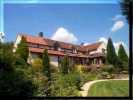
|
Hornsbury
Hill
TA20 3DB
|
01460
64735
|
01460
66163
|
|
CAMPING IN
THE CHARD AREA

LOCAL
TRANSPORT
. ALL ROADS LEAD TO CHARD.
Trains,
Planes, Ships, Taxis, Car Rental,
Coaches, & Buses

To plan your
journey by car or public transport
click on to the Door-to-Door Journey
Planner
 Tickets are also
available from: Chard Tourist
Information Centre,
Tickets are also
available from: Chard Tourist
Information Centre,
Guildhall ,Fore
Street,Chard,TA20 1PP Telephone :
01460 65710
Email:
chardtic@chard.gov.uk
Website: www.chard.gov.uk
Transport
click on
blue to visit the sites
|
Conveyance
|
Address |
Telephone |
email
|
|
A-B Travel
Taxis
|

|
Dale Farm,
8-12 Silver Street,Chard,TA20
|
Tel : 01460
63033
|
|
|
B & W
Taxis
|
|
62 Beeching
Close,
Chard,
TA20
|
Tel : 01460
68400 or
01460
66680
|
|
 for London , Yeovil &
Taunton.
for London , Yeovil &
Taunton.
from
Ilminster
www.berrys
coaches.co.uk
|
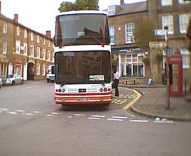
|
Cornishway
West, New Wellington Road,
Taunton, TA1 5NA
Ilminster
is 5 miles from Chard
|
Tel : 01823
331356
Fax :
01823 331356 |
info@berryscoaches.co.uk
|

Bristol
International
Airport
www.bristol
airport.co.uk
|

|
FROM NORTH M5
Leave the M5 at junction 18
(signposted A4 Bristol &
Airport). Take the A4
towards Bristol following
signs for the airport. Go
past Bristol City Football ground
and connect with the A38 towards
Taunton, the airport is
situated 8 miles South of Bristol
on the A38.
Bristol
is 56 miles from Chard |
Tel : 0870
121 2747
|
FROM SOUTH M5
Leave the M5 at Junction 22,
at roundabout take 3rd exit
signposted A38. At East
Brent roundabout joining the
A370 take 2nd exit signposted A38
& airport. Continue on this
road for approx 11 miles, airport
is on the left. |

Poole
to Cherbourg
Plymouth
to
Roscoff & Santander
www.brittany-
ferries.co.uk
|

|
Poole is 55
miles from Chard
Plymouth
is
76 miles from Chard
|
Tel : 08705
360 360
|
|

Weymouth
to
St.Malo
& Channel Islands
www.condor
ferries.co.uk
|

|
Ferry
Terminal, The Quay, Weymouth,
Dorset
Weymouth
is 37 miles from Chard
|
Tel : 0845
345 2000
|
|

www.eclipse.co.uk/
exeterair
|
|
Exeter International
Airport is situated off the A30,
five miles from the City of
Exeter. From the M5 motorway
junction 29, travel 1 mile
eastbound on the A30. Exeter
is 33 miles from Chard. |
Tel : 01392
367433
|
|
1st Choice
Car
& Van Rental
|

|
Motocross
House, Mill Lane,
Chard,
TA20
|
Tel : 01460
67000
|
|

Taunton
Station
Paddington(London)
to
Plymouth Line
www.firstgreat
western.co.uk
|
|
Po.Box 313,
Plymouth,
PL4 6YD
Taunton is
13 miles from Chard
|
Tel
Bookings:
08457
000 125
Tel :
Enquiries:
08457
48 49 50
Fax :
0845 600 8363
|
customer.relations@
firstgroup.com
|

First
Southern National
Bus
Company
run
buses in Somerset and Dorset
www.firstsouthern
national.
co.uk
|
|
Taunton Bus
Station
Tower
Street, Taunton
|
Tel : 01823
272033 |
|
|
Kings Taxis
|
|
Beechings
Close, Chard,
TA20
|
Tel : 01460
63743
|
|
 Coaches to Taunton Coaches to Taunton
or
Yeovil
www.gobycoach.com
|
|
4 Vicarage
Road, Edgbaston, Birmingham B15
3ES
Taunton
is 13 miles from Chard
Yeovil is
20 miles from Chard
|
Tel : 0870
580 8080
|
|

National
Rail Enquiries
|
|
|
Tel : 08457
48 49 50
|
|

to
Crewkerne
Waterloo(London)
to
Exeter Line
www.southwest
trains.co.uk
|
|
Overline
House,Blechynden
Terrace,Southampton,
SO15
1GW
Crewkerne
is
7 miles from Chard
|
Customer
services Centre
tel:0845
6000
650 or 0845 6050 441
Fax :
023 8072 8187
|
customerrelations@
swtrains.co.uk
|
|
|




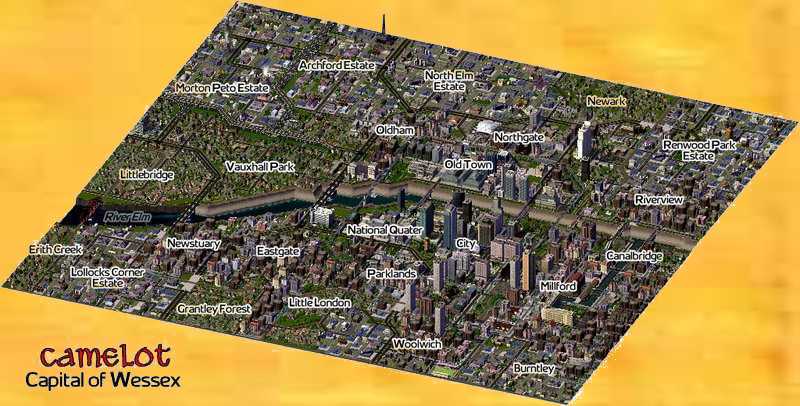






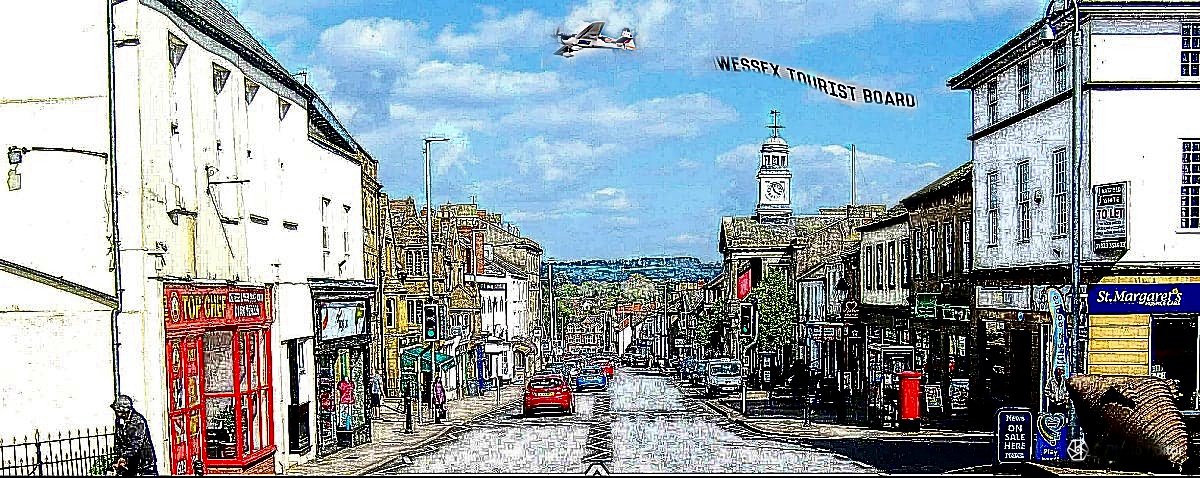

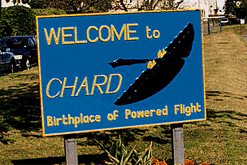























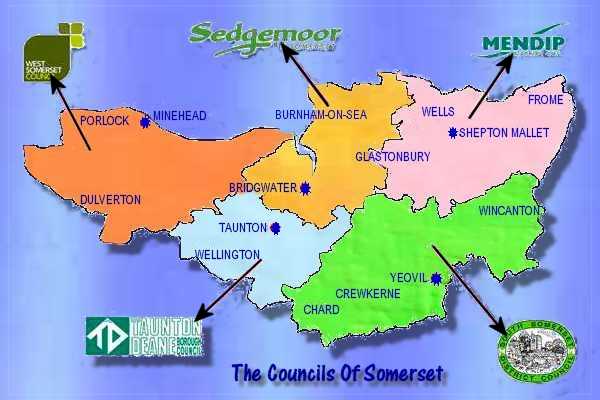


 Watchdog: